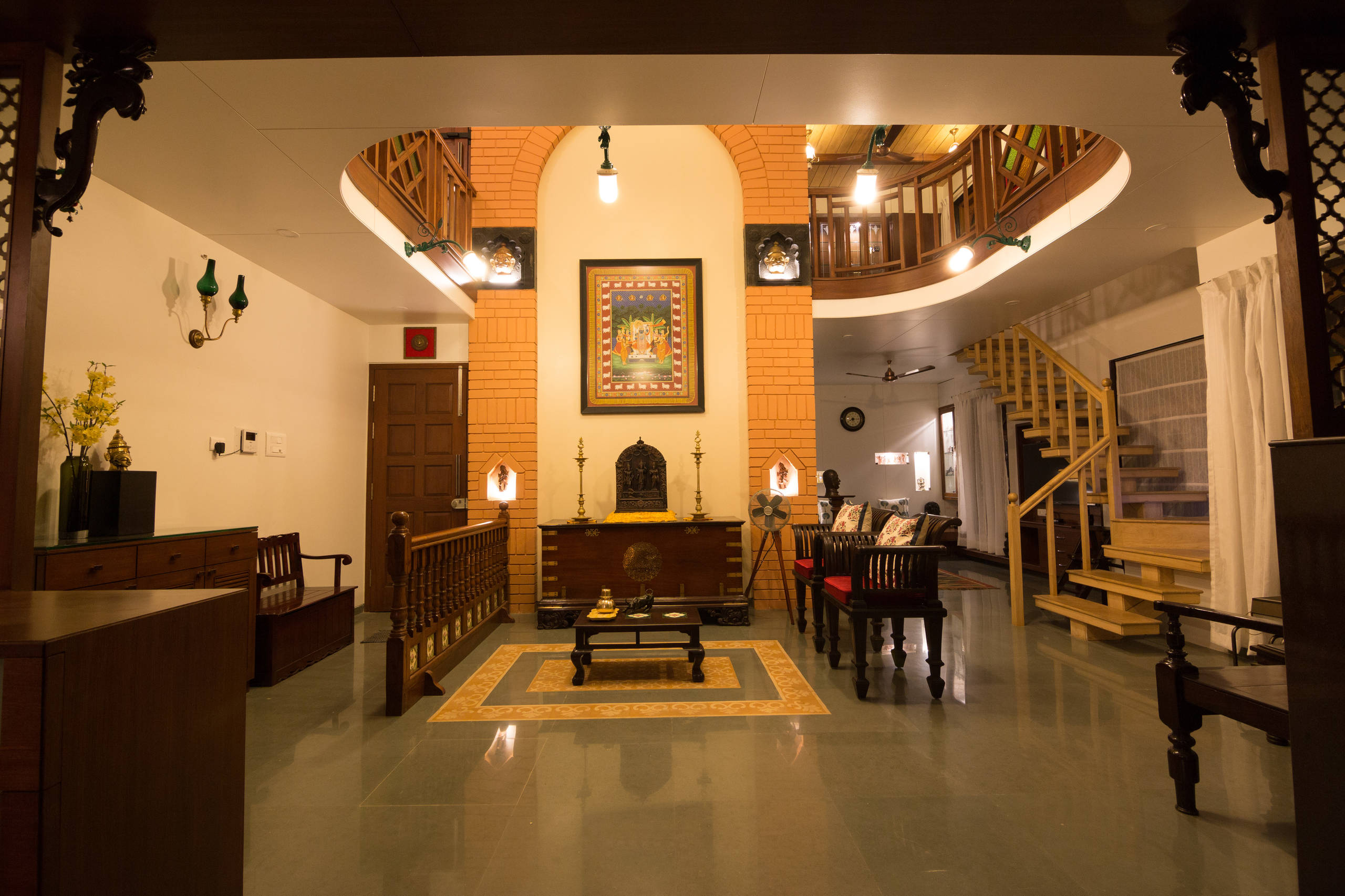


How to Simplify Home Design Decisions Designing a home can feel like wandering through a labyrinth of possibilities—each color swatch, floor plan, and furniture finish beckoning for attention. But it doesn’t have to be a convoluted quest. When approached with clarity, intention, and a touch of joy, you can simplify home design decisions without sacrificing style, character, or charm.
This guide explores how to cut through the aesthetic noise and curate a living space that feels cohesive, beautiful, and unmistakably you.

Begin with the End in Mind
Every successful design journey begins with a vision. Start by picturing how you want your space to make you feel rather than obsessing over individual elements. Do you crave serenity? Energy? Nostalgia? A home that whispers calm requires very different choices than one that sings with vibrant expression.
Create a vision board. Clip images, textures, and colors that resonate with your desired vibe. This becomes your north star—a compass to help simplify home design decisions as you go.
Embrace a Core Design Style
Eclecticism has its allure, but unbridled mixing often leads to decision fatigue. Selecting a primary design style streamlines every choice that follows.
Here are a few simplified stylistic identities to explore:
- Scandinavian: Clean lines, neutral hues, natural light
- Mid-century Modern: Warm woods, tapered legs, geometric shapes
- Minimalist Zen: Open space, subtle texture, tonal harmony
- Coastal Chic: Whites and blues, breezy fabrics, nautical accents
- Rustic Farmhouse: Distressed finishes, warm tones, heritage charm
Once you identify your anchor style, use it as a lens through which all decisions pass. If an item doesn’t align, it’s an easy “no.”
Prioritize Function Over Frill
One of the golden rules to simplify home design is to begin with functionality. A home that works well is naturally more beautiful.
- Traffic Flow: Ensure the layout allows people to move comfortably
- Storage Solutions: Built-ins, under-bed drawers, and ottomans with hidden compartments make organization second nature
- Room Purpose: A reading nook doesn’t need a television. A dining area doesn’t need clutter. Define each space’s mission and furnish accordingly
Design with your lifestyle at the forefront. Beautiful furniture means nothing if it’s uncomfortable. Artful lighting is wasted if you can’t see to chop onions.
Create a Signature Color Palette
Color decisions can be maddening if approached one wall at a time. Instead, settle on a whole-home palette that allows for consistency and freedom.
A solid framework includes:
- Three Neutrals: A soft white, a warm gray, and a deeper grounding tone (like charcoal or mocha)
- Two Accent Colors: Rich, saturated shades that reflect your personality—forest green, terracotta, indigo, saffron
- One Pop Color: Something unexpected. A flash of coral or citron yellow that shows up sparingly, like jewelry on an outfit
This palette becomes your design shorthand. You can walk into a shop and immediately know what will work, helping to simplify home design on the spot.
Limit Your Material Mix
The more textures and finishes you introduce, the more visual chaos you invite. A limited material palette creates coherence, elegance, and a feeling of calm.
Start with three dominant materials:
- Wood: Choose one or two tones—perhaps oak for warmth and walnut for richness
- Metal: Pick a finish—brushed brass, matte black, or stainless steel—and use it consistently
- Fabric: Opt for tactile consistency—linen, cotton, velvet—depending on your comfort preferences
Sprinkle in stone, glass, or ceramics in small doses if desired, but always within the framework.
Use Anchor Pieces to Guide You
Anchor pieces are statement items that define the room’s aesthetic. This could be a sofa, an area rug, a piece of oversized art, or a dining table. Let these foundational elements do the heavy lifting.
Once your anchor is chosen:
- Pull secondary pieces that complement its tone, scale, and material
- Avoid overdecorating—let the anchor shine
- Match surrounding details (e.g., throw pillows, lighting, side tables) to the anchor’s core aesthetic
This domino strategy effortlessly helps simplify home design decisions for the rest of the space.
Think in Layers, Not Lists
Design isn’t a checklist—it’s a composition. Approach it in layers:
- Base Layer: Wall colors, flooring, large furniture
- Middle Layer: Rugs, curtains, lighting
- Top Layer: Décor, plants, personal objects
By progressing in layers, you reduce decision overload. You’re only focusing on one visual field at a time. This is one of the most effective ways to simplify home design choices and prevent overwhelm.
Adopt the “One In, One Out” Rule
Especially helpful for décor and smaller accessories, this rule keeps your design lean and intentional.
For every new item you bring into your space:
- Remove or donate one that no longer serves your vision
- Evaluate if the new item truly enhances the room
- Avoid impulse purchases—sleep on decisions that don’t feel 100% aligned
This minimalistic mindset strengthens your aesthetic and reduces clutter—both physical and mental.
Don’t Shop Without a Floor Plan
Guesswork is the enemy of smart design. Bring precise measurements when you shop. Whether you’re choosing curtains, rugs, or side tables, having your floor plan handy will eliminate sizing errors and help you visualize with clarity.
Measure:
- Length and width of each room
- Height of ceilings
- Doorway widths
- Distance between windows, power outlets, and structural features
Proper planning saves time, money, and many return trips. It’s a cornerstone rule to simplify home design effectively.
Opt for Multi-Functional Pieces
Furniture that multitasks reduces the number of decisions you have to make.
Consider:
- Storage Ottomans: Seating and hidden storage in one
- Convertible Sofas: Great for guests without needing a spare room
- Drop-leaf Tables: Flexibility for dining and working
These dynamic furnishings allow your home to adapt, expand, and contract with grace.
Favor Quality Over Quantity
It’s easy to get swept up in trends, sales, and discount finds. But fewer, better things hold more value than a sea of mediocrity.
- Invest in items you’ll use daily—your bed, sofa, lighting, and dining table
- Delay decisions until you find the right fit, not just the available one
- Quality surfaces—marble, solid wood, handwoven textiles—age gracefully
This philosophy naturally narrows your choices, helping you simplify home design decisions by focusing only on what truly lasts.
Edit Ruthlessly and Frequently
Even well-designed homes can get weighed down over time. Make a quarterly habit of editing your environment.
Ask:
- Does this item serve a purpose or bring me joy?
- Has this area become too cluttered or visually noisy?
- Can I simplify this corner to make it more functional or beautiful?
Decluttering isn’t a one-time event—it’s a design rhythm. Practicing this regularly leads to an evolving but always-cohesive space.
Rely on Repetition
Repetition is the unsung hero of elegant design.
- Use the same finish (e.g., brushed gold) across all fixtures in a bathroom
- Repeat one shape—like curves—in mirrors, lamps, and table legs
- Echo colors from one room to the next for seamless transitions
Repetition reduces visual cacophony. It allows different rooms to speak the same language and makes each choice simpler because it’s rooted in what’s already working.
Trust Your Gut—With Guidelines
Intuition is your most powerful tool. But when combined with clear principles, it becomes nearly foolproof.
Establish a few personal guidelines:
- If I hesitate, I wait 48 hours
- If it clashes with my core palette, I skip it
- If it doesn’t serve a function or express me, I let it go
By codifying these instincts, you create a design rubric that eliminates waffling and regret—making it easier to simplify home design over the long haul.
Let Lighting Lead
Lighting decisions can be complex, but sticking to a simple lighting formula clarifies everything:
- Ambient: Your general overhead lighting
- Task: Focused light for workspaces and reading nooks
- Accent: Wall sconces, art lights, or decorative lamps for drama
Stick to three layers. Vary heights. Use dimmers. Done.
Personalize Without Overcrowding
Design is about self-expression, but maximalism can easily turn muddled.
Pick a few personal touches:
- A gallery wall of family photos
- A shelf with travel mementos
- A statement piece from a local artist
These singular choices elevate your space without overwhelming it. They make your home yours—without excess or confusion.
End with Joy
A home should feel like a celebration of who you are and what you love. The simplest path to beauty is often the one that brings the most joy.
- Surround yourself with colors, textures, and objects that feel like you
- Make space for sunlight, laughter, and spontaneous dance parties
- Let your design evolve—slowly, thoughtfully, lovingly
By following these strategies to simplify home design, you allow space for both serenity and spontaneity. Decision-making becomes delight rather than dread.
A well-designed home doesn’t speak the loudest—it whispers the truest. Let your home echo with simplicity, clarity, and joy.

:max_bytes(150000):strip_icc()/ms-cozy-living-room-ideas-heidi-harris-d20b6776355843cea943bafdd6a94f44.jpg "Home Design Tips for Cozy Vibes")