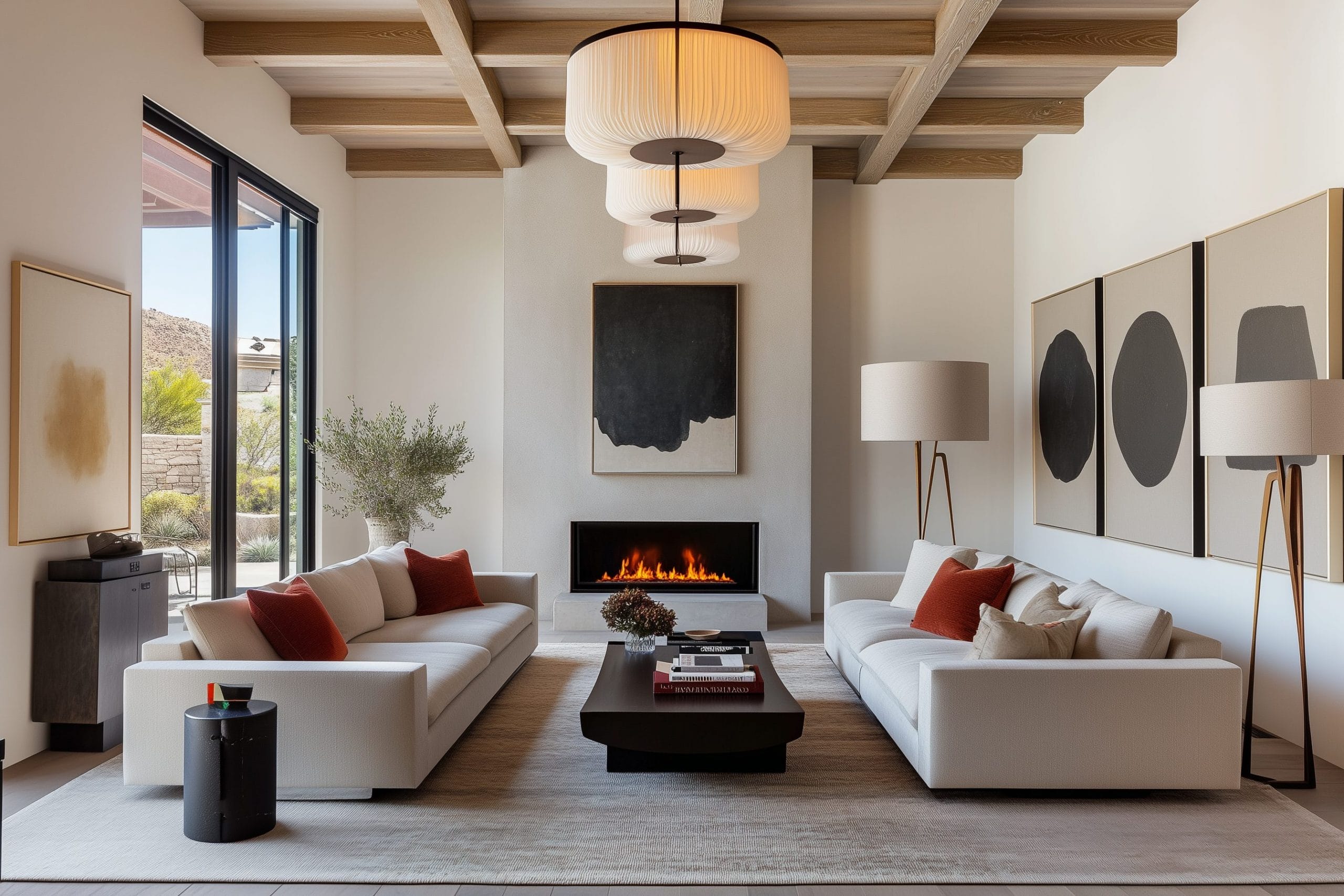


Create Balance with Home Design In a world brimming with noise and visual clutter, the home stands as a sanctuary—a reflection of inner peace and external harmony. Achieving balance within the spaces we inhabit is not merely about symmetry or furniture placement. It’s about evoking a sensation. A tranquil rhythm. A seamless dialogue between form and function. With a thoughtful approach and the right balanced home design tips, it’s possible to craft interiors that exude serenity, purpose, and personality.
The Meaning of Balance in Design
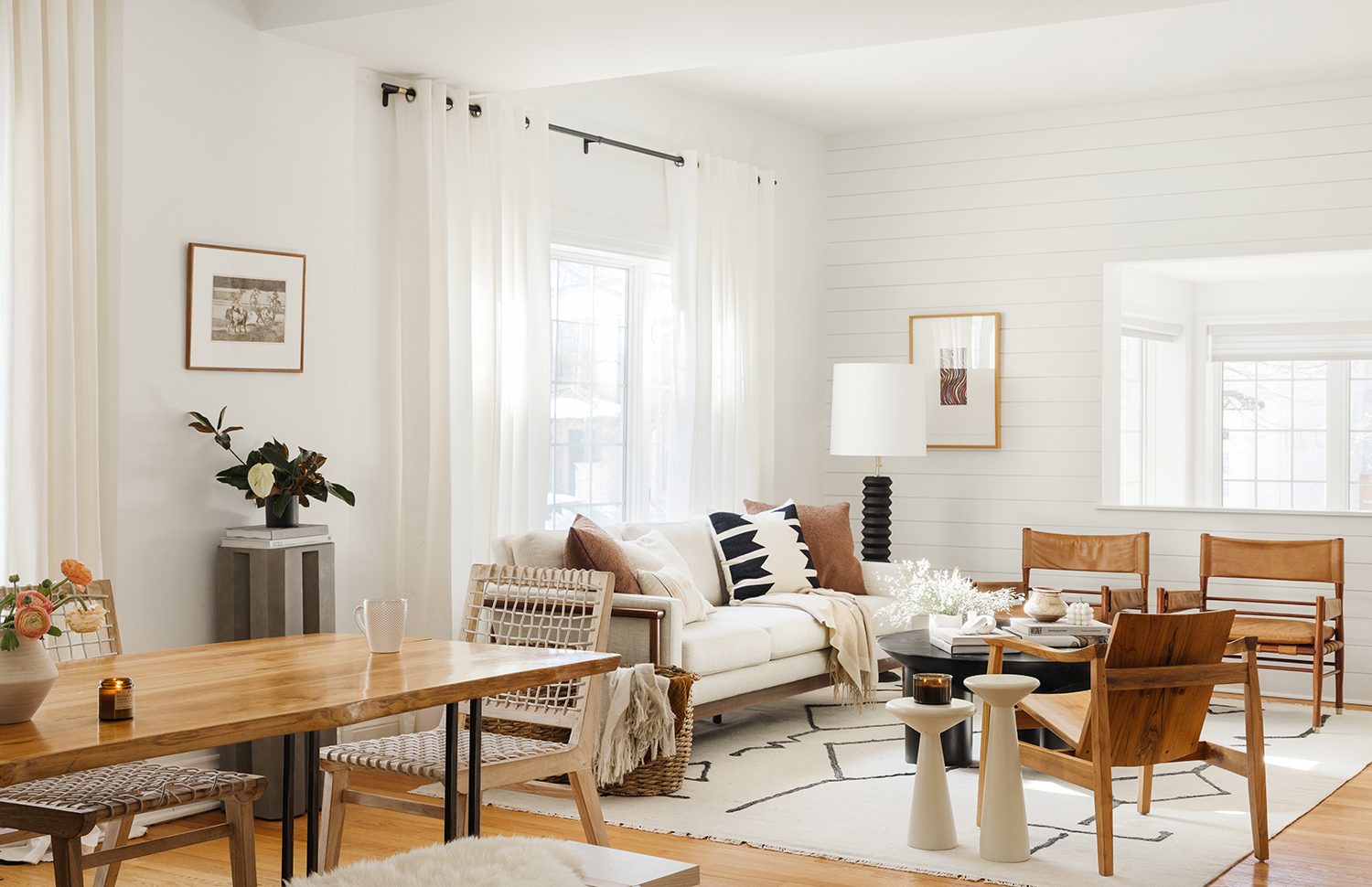
Balance in home design refers to the visual equilibrium that emerges when elements within a room are thoughtfully distributed. It ensures that no single area feels too heavy or too stark. When done well, it creates a space that is not just visually appealing, but emotionally grounding.
There are three primary types of balance:
- Symmetrical Balance: Classic and formal. One side mirrors the other.
- Asymmetrical Balance: More modern and dynamic. Different elements achieve equal visual weight.
- Radial Balance: Elements radiate from a central point, like a chandelier above a circular dining table.
Each of these has its charm and purpose, and incorporating them requires an understanding of scale, proportion, and the interplay between elements.
Begin with a Purposeful Layout
Every well-balanced home begins with a solid foundation: the layout.
Start by evaluating the function of the room. Is it a space for gathering or solitude? For work or for rest? Understanding the intended use helps in arranging furniture and décor in a way that enhances both movement and mindfulness.
For example, in a living room, the sofa should anchor the space. Surround it with complementary pieces—accent chairs, a coffee table, and soft lighting. Ensure pathways are open and intuitive. Avoid overcrowding.
One of the most overlooked yet powerful balanced home design tips is the importance of negative space. Allowing breathing room between furnishings enhances flow and reduces visual congestion.
Color as a Tool of Balance
Color affects mood, energy, and spatial perception. Therefore, using it strategically is crucial for achieving design balance.
A neutral base—beige, gray, ivory, or soft taupe—can provide a calming backdrop. From there, accentuate with contrasting tones. Perhaps navy throw pillows, mustard drapes, or a deep emerald feature wall. It’s all about contrast and cohesion.
Don’t forget the rule of three: base, secondary, and accent colors. It’s a formula that ensures a palette feels intentional and not haphazard.
Additionally, think about the color temperature. Warm tones invite and energize. Cool tones soothe and relax. Balance them according to the room’s function. For instance, balance a warm terracotta rug with pale blue cushions or blend cool-toned concrete floors with rich wooden cabinetry.
Texture: The Silent Communicator
While color draws the eye, texture invites touch. It adds depth, interest, and a tactile dimension to your design.
Consider mixing materials. Pair the sleekness of metal with the softness of wool. Combine rustic wood with polished glass. Layering textures can break visual monotony and imbue spaces with warmth.
Rough textures tend to ground a space and lend it coziness. Smooth textures, on the other hand, can make a room feel more formal or polished. A well-rounded mix ensures a more holistic design experience.
An essential yet often overlooked balanced home design tip is to use texture to compensate for minimal color. In monochromatic or minimalist designs, texture plays a starring role in maintaining balance and richness.
Lighting: Sculpting Space with Shadows
Lighting is architecture’s poetry. It defines volume, accentuates details, and shifts mood with the flick of a switch.
Natural light is the ideal starting point. Orient your furniture to maximize daylight. Use sheer curtains to diffuse harsh sunlight without blocking it entirely. Skylights, transom windows, and mirrors can further amplify available light.
Complement natural light with layers of artificial lighting:
- Ambient Lighting: General, room-wide light. Think ceiling fixtures.
- Task Lighting: Focused light for activities like reading or cooking. Desk lamps and under-cabinet lighting fall here.
- Accent Lighting: Decorative lighting that highlights artwork or architectural features.
Strategically layering these types of light ensures your space is adaptable, atmospheric, and—above all—balanced.
Furniture: Form, Function, and Footprint
Choosing the right furniture involves more than matching styles. It requires a nuanced understanding of scale and proportion.
Larger rooms can handle substantial pieces—sectionals, oversized coffee tables, tall bookshelves. But balance is key. Offset large items with delicate accents: a slim side table, a low-profile bench, or an airy floor lamp.
In smaller spaces, lean into furniture that serves multiple purposes. Ottomans with storage, nesting tables, and expandable dining sets are not only practical but help maintain visual lightness.
A clever balanced home design tip is to incorporate furniture with varying leg styles. Combine skirted sofas with leggy armchairs. Mix open-framed bookshelves with solid-backed cabinets. This interplay of visual weight fosters dynamic balance.
Art and Décor: The Personal Signature
Art brings emotion into a space. It tells stories and reveals identity. But like any element, it must be thoughtfully curated for balance.
Choose artwork that complements the scale of the room and the wall. A tiny canvas above a vast sofa feels lost. Instead, opt for larger pieces, gallery walls, or a statement mirror to fill the void proportionately.
Balance doesn’t mean matching. A modern abstract can beautifully offset a traditional sofa. A tribal textile can find harmony alongside minimalist ceramics. The goal is visual conversation—not repetition.
Plants also offer a natural balancing element. They soften harsh lines, inject life, and balance static furnishings with organic forms.
The Power of Symmetry and Asymmetry
Symmetry provides predictability and peace. It works beautifully in formal spaces—dining rooms, entryways, or master bedrooms.
Matching nightstands, twin lamps, and mirrored layouts offer elegance and order. However, too much symmetry can feel stiff.
This is where asymmetry steps in. Place a statement chair on one side of the sofa and a tall plant on the other. Use artwork or shelving to draw the eye off-center. It introduces movement and surprise.
One of the most effective balanced home design tips is to use asymmetry to keep a room from feeling stagnant. Balance the weight of large furniture with groupings of smaller accessories, such as a trio of vases or a cluster of pendant lights.
Flooring: The Unifying Canvas
Floors anchor your design. They connect spaces and establish tone.
Hardwood is timeless. Choose wide planks for contemporary flair, or herringbone patterns for classical charm. Tiles can bring cool elegance, especially in warmer climates. Layer rugs to soften and define areas within open-plan spaces.
In rooms with bold furniture or colorful walls, neutral flooring helps ground the design. Conversely, in minimalist spaces, a patterned or richly toned rug adds vitality.
Another key balanced home design tip is to maintain consistent flooring throughout connected areas. It enhances flow and avoids visual fragmentation.
Flow Between Rooms
A well-balanced home isn’t just about individual rooms—it’s about how they relate to each other.
Use color families to create continuity. If your living room is anchored in navy and cream, let those hues echo subtly in the hallway or kitchen.
Repeat materials across spaces. If your dining room has brass accents, let them trickle into your bathroom hardware or lighting.
Visual flow maintains cohesion and reduces jarring transitions.
Storage: Conceal and Reveal
Storage is essential for balance. Clutter disrupts harmony and increases stress. Smart storage solutions make space feel intentional and refined.
Consider built-in shelving, under-bed drawers, and ottomans with hidden compartments. Use attractive baskets, labeled jars, and trays to corral daily essentials.
Balance open and closed storage. Too many open shelves can feel chaotic. Too many closed cabinets can be oppressive. A blend keeps things practical and pleasing.
Seasonal Shifts and Flexibility
Balance isn’t static—it evolves with time, needs, and seasons.
In summer, swap heavy drapes for breezy linens. In winter, layer in thick throws and woolen textures. Rotate artwork and cushions to refresh without overhauling.
Designing with flexibility in mind is a lesser-known balanced home design tip, but one that pays off. Modular furniture, movable décor, and versatile layouts allow your home to adapt and stay harmonious year-round.
Emotional Balance: The Final Layer
True design balance isn’t only visual—it’s emotional. It’s the way a room makes you feel the moment you step into it.
Use scent to invoke memory and mood. Lavender for calm. Citrus for energy. Sandalwood for grounding.
Incorporate sound—soft music, a trickling fountain, or the rustle of leaves outside an open window. These subtle elements transform spaces into sanctuaries.
Ultimately, a balanced home reflects a balanced life. One where beauty meets function, and every element—no matter how small—works in concert to support well-being.
By applying these balanced home design tips, every space in your home can become a symphony of elements working in harmony. From colors and textures to furniture and lighting, balance is the secret ingredient that transforms a house into a haven. Let it guide your design journey—and watch your space come alive with purpose and poise.