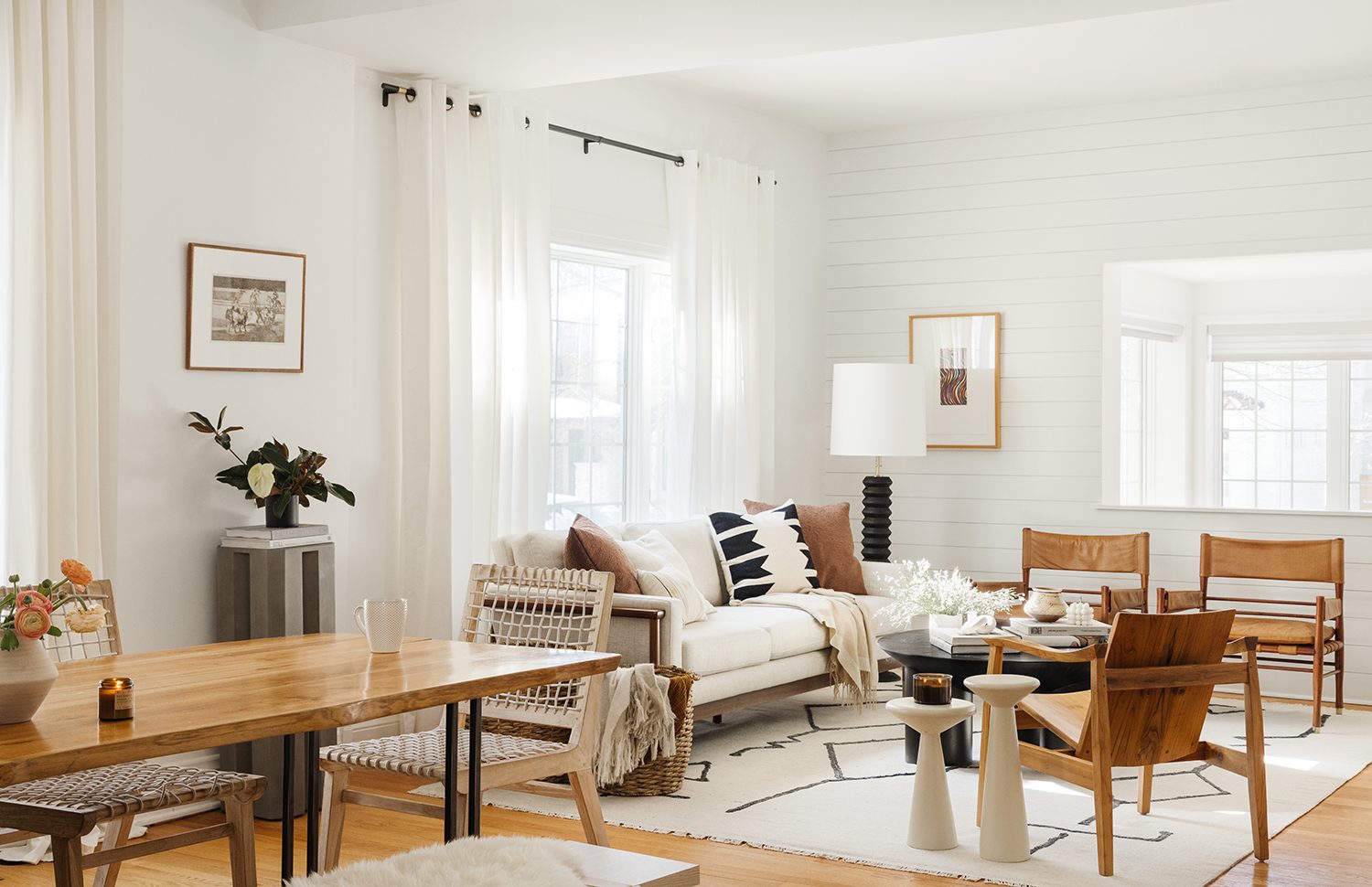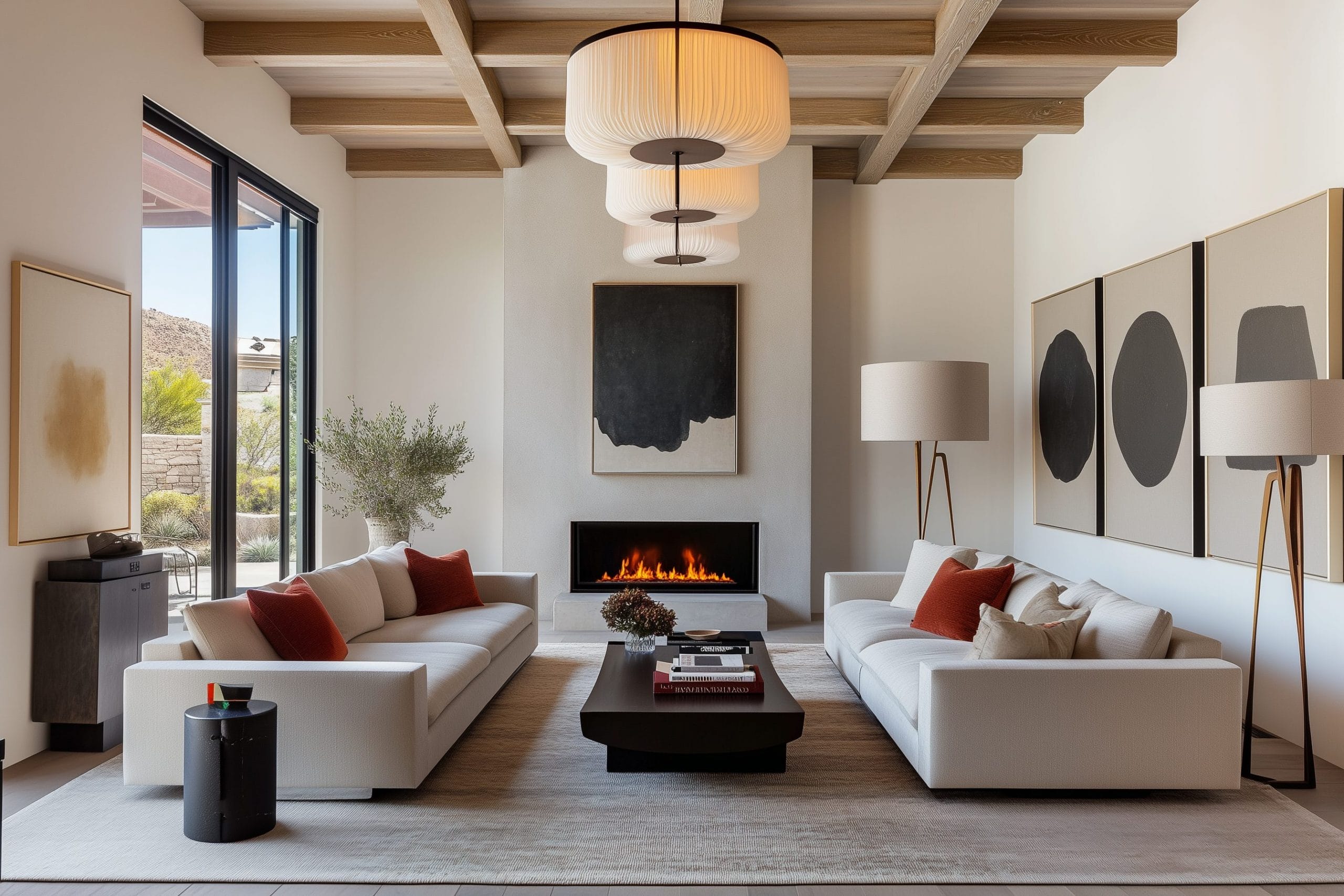


Curated Looks in Home Design There’s something undeniably magnetic about walking into a home that feels cohesive, personal, and unmistakably stylish. The secret behind that quiet wow factor? Curated home design looks. Far from simply placing furniture and matching colors, curated design is about storytelling. It’s about selecting, layering, and harmonizing elements to create an environment that reflects not only aesthetics but also identity.
While trends may ebb and flow, a curated interior transcends fashion cycles. It’s intentional. It’s poetic. And most importantly, it feels right.
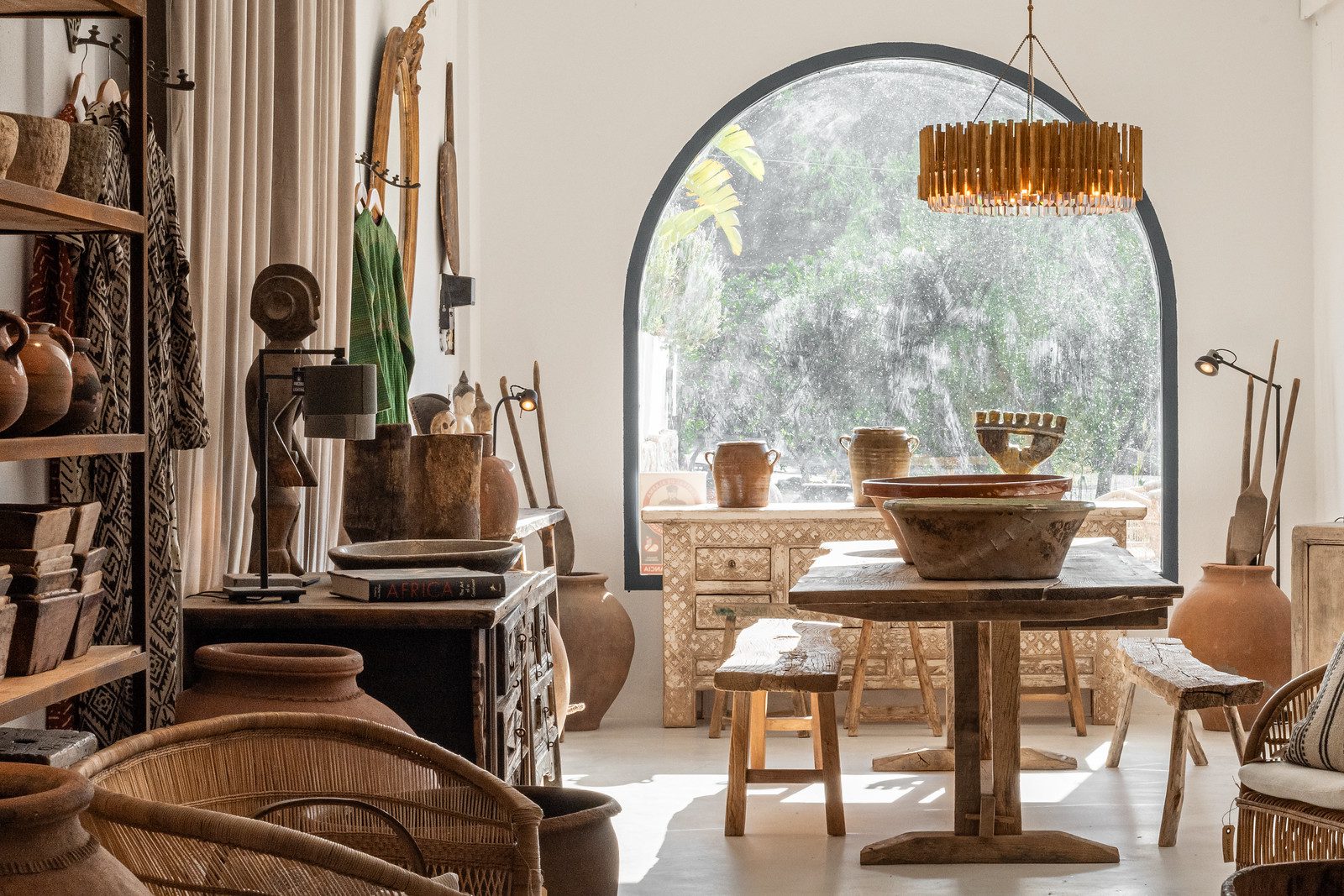
What Does “Curated” Really Mean?
Curating isn’t a buzzword—it’s a philosophy. In art galleries, curators assemble exhibitions that evoke a mood or deliver a message. Similarly, curated home design looks arrange furniture, textiles, colors, art, and objects in a way that communicates something deeper than decor. It’s the difference between a house and a haven.
Curation involves editing. Not everything makes the cut. Each item earns its place, contributing to the overall narrative. Whether it’s a mid-century credenza, a thrifted ceramic vase, or a splashy abstract canvas, curated interiors tell a story with every square foot.
The Foundation: Style Anchors and Signature Pieces
All great curated spaces begin with anchors. These are the heavyweight champions of your room—the dining table made from reclaimed wood, the velvet emerald green sofa, the vintage chandelier with rococo flair. They offer grounding, around which other elements orbit.
- Function Meets Personality: Signature pieces should serve a purpose while also standing out visually.
- Statement Over Saturation: One striking piece per room is usually enough to steer the aesthetic.
- Mix, Don’t Match: Curated homes celebrate the harmony of contrasts—old with new, sleek with rustic, minimal with ornate.
This is where curated home design looks set themselves apart from cookie-cutter interiors. It’s not about symmetry or perfection. It’s about character and composition.
Mixing Styles with Mastery
Gone are the days when interiors needed to conform strictly to one style. Today’s design ethos embraces eclecticism—as long as it’s intentional.
A Few Pairings That Spark Magic:
- Scandinavian + Bohemian: Clean lines softened by textiles and earthy accents.
- Industrial + Traditional: Exposed brick juxtaposed with tufted armchairs and Persian rugs.
- Minimalist + Maximalist: Sparse architectural forms acting as backdrops for artful explosions of color and texture.
The trick is balance. Let one style lead while the other adds contrast and intrigue. Use a consistent color palette to bridge disparate design languages. Layering is key, but so is editing. Each element should speak, but never shout.
The Power of Texture and Materiality
One of the hallmarks of curated home design looks is the rich interplay of textures and materials. Visual interest often lies not in patterns or prints but in surfaces.
- Juxtapose hard and soft: A concrete floor under a plush wool rug, or a leather chair beside sheer linen drapes.
- Celebrate natural imperfections: Grainy wood, hand-thrown pottery, or oxidized metals all tell stories of time and touch.
- Think tactile: How does a room feel underfoot, underhand, under light?
Textures add depth and nuance. They make neutral palettes feel luxurious and bold palettes feel grounded. Layering materials adds that museum-quality elegance while still making a space livable.
Art as a Curator’s Signature
Art is the soul of any curated space. Whether it’s a gallery wall of black-and-white photography or a single oversized abstract piece, it commands attention and conveys emotion.
- Choose art that resonates: Authenticity trumps coordination. Art doesn’t need to match your throw pillows.
- Play with scale: Tiny pieces in unexpected places, or one massive canvas to fill a blank wall.
- Don’t forget sculptural pieces: Ceramic busts, organic forms, and textured wall hangings enrich a room’s composition.
In curated home design looks, art acts as punctuation—it emphasizes, surprises, and gives the eye somewhere meaningful to land.
Color Palettes: The Silent Storyteller
Color doesn’t just decorate a space; it shapes mood and perception. A carefully chosen palette is often the invisible thread that ties a curated interior together.
Popular Palettes in Curated Design:
- Earthy Neutrals: Clay, sand, moss, and bone. Warm, grounding, timeless.
- Moody Darks: Charcoal, aubergine, forest green. Sophisticated with a touch of drama.
- Pop Accents: A mostly neutral room punctuated by tangerine, cobalt, or marigold.
Consistency is key. While you don’t need to commit to monochrome, staying within a tonal family helps maintain coherence across rooms. Color should be intentional, never arbitrary.
Vintage Finds and Heirloom Touches
No curated space is complete without something old. Vintage items bring patina, provenance, and poetry into a home. They’re the whisper of history within a modern story.
- Hunt for character: Flea markets, estate sales, and antique fairs are treasure troves.
- Restore with respect: A little wear adds soul. Not everything needs to look brand new.
- Mix eras: A mid-century sideboard can live happily beneath a Baroque mirror.
These pieces add authenticity and depth, turning interiors into time-traveling adventures. Curated home design looks thrive on such interplay.
Functional Spaces with Flair
Curation doesn’t stop at aesthetics—it extends to how spaces function. Beautiful design should also make life easier, smoother, more joyful.
Tips for Functional Curation:
- Multifunctional Furniture: Ottomans with hidden storage, convertible desks, modular sofas.
- Zones and Nooks: Reading corners, coffee stations, home office hideaways.
- Smart Layouts: Leave breathing room. Group elements by activity and mood.
Design is most powerful when it supports daily rhythms. A curated home flows—not just visually, but functionally.
Curated Lighting Schemes
Lighting is both utility and ambiance. In a curated home, it’s treated as an art form.
- Layered Lighting: Ambient, task, and accent lighting work in concert.
- Sculptural Fixtures: Statement pendant lights or asymmetrical sconces can act as design centerpieces.
- Dimmers and Warm Bulbs: These allow control over mood and tone, turning up coziness or clarity as needed.
Even the placement of a lamp or the shape of a shade can shift a room’s entire narrative. That’s the finesse of curated home design looks.
Personalization Without Clutter
A curated home is deeply personal, but never cluttered. The difference lies in thoughtful selection and display.
- Curate, Don’t Collect: Display fewer items, but make each count.
- Use Trays and Vignettes: Contain objects into intentional groupings.
- Rotate Seasonally: Keep things fresh by switching out decor elements throughout the year.
This keeps spaces from feeling static. It invites evolution while maintaining a firm design identity.
Bringing Nature Indoors
Biophilic elements are becoming staples in curated interiors, connecting the inside with the rhythms of the natural world.
- Live Plants: From sculptural fiddle-leaf figs to trailing pothos.
- Natural Materials: Rattan, bamboo, jute, and raw woods.
- Organic Shapes: Furniture with fluid, irregular lines inspired by nature.
Greenery softens hard lines and breathes vitality into interiors. It’s a low-cost, high-impact way to enrich curated home design looks.
Mindful Sourcing and Sustainability
Curated homes often reflect not just taste, but values. There’s a growing emphasis on ethical sourcing, sustainability, and conscious consumption.
- Buy Less, Choose Well: Invest in pieces you’ll love for decades.
- Support Artisans: Handcrafted goods carry soul and story.
- Repurpose and Upcycle: Give new life to old objects with a little imagination.
Curation is inherently slow—it takes time to build a space that’s meaningful. That patience often results in a more responsible, rewarding design process.
Rooms to Curate Differently
Each room deserves its own narrative arc. Here’s how curated design can be tailored across different spaces:
Living Room:
- Anchor with a large rug and a sculptural coffee table
- Display meaningful books, art, and collected objects
- Play with asymmetry for visual intrigue
Kitchen:
- Use open shelving to showcase ceramics or glassware
- Let lighting be a focal point—think artisan pendants
- Add tactile touches like marble, wood, and clay
Bedroom:
- Layer textures—linen, boucle, velvet—for serene luxury
- Choose minimal but impactful artwork
- Incorporate personal tokens like journals or photos
Bathroom:
- Elevate with custom mirrors, stylish hardware, and organic materials
- Scent and sound matter—diffusers and soft music change the mood
- Consider lighting that flatters, not flattens
Final Touches: Editing Like a Curator
The magic of curated home design looks often lies in what’s left out. Negative space isn’t emptiness—it’s breathing room.
- Walk your space like a visitor. What grabs attention? What feels awkward?
- Photograph your rooms to gain fresh perspective
- Don’t fear subtraction. If in doubt, take it out.
Curation is a cycle. It grows, adapts, and evolves—just like the people living within the space.
Curate to Captivate
Curated interiors go beyond trends and design rules. They are immersive experiences—aesthetic journeys through taste, time, and intention. Whether you’re designing a loft filled with industrial edge or a cottage with coastal charm, let your space speak your language.
In a world overflowing with visual noise, curated home design looks offer clarity, beauty, and soul. Choose what you love. Layer with care. Edit with heart. And let your home tell a story only you could write.