

Home vs Real Estate Investment When it comes to property acquisition, one of the most crucial decisions a person faces is whether to buy a home vs real estate investment. While both involve ownership of physical property, their objectives, financial implications, and long-term benefits can vary dramatically. Whether you’re a first-time buyer considering where to place your savings or an experienced investor weighing options, understanding the subtle and sometimes stark contrasts between these two paths can transform your financial future.
This exploration unpacks the fundamental differences, advantages, and considerations involved in choosing between purchasing a personal residence and embarking on a real estate investment journey. By the end, you’ll have a clear framework to make confident and informed decisions in the dynamic world of property ownership.
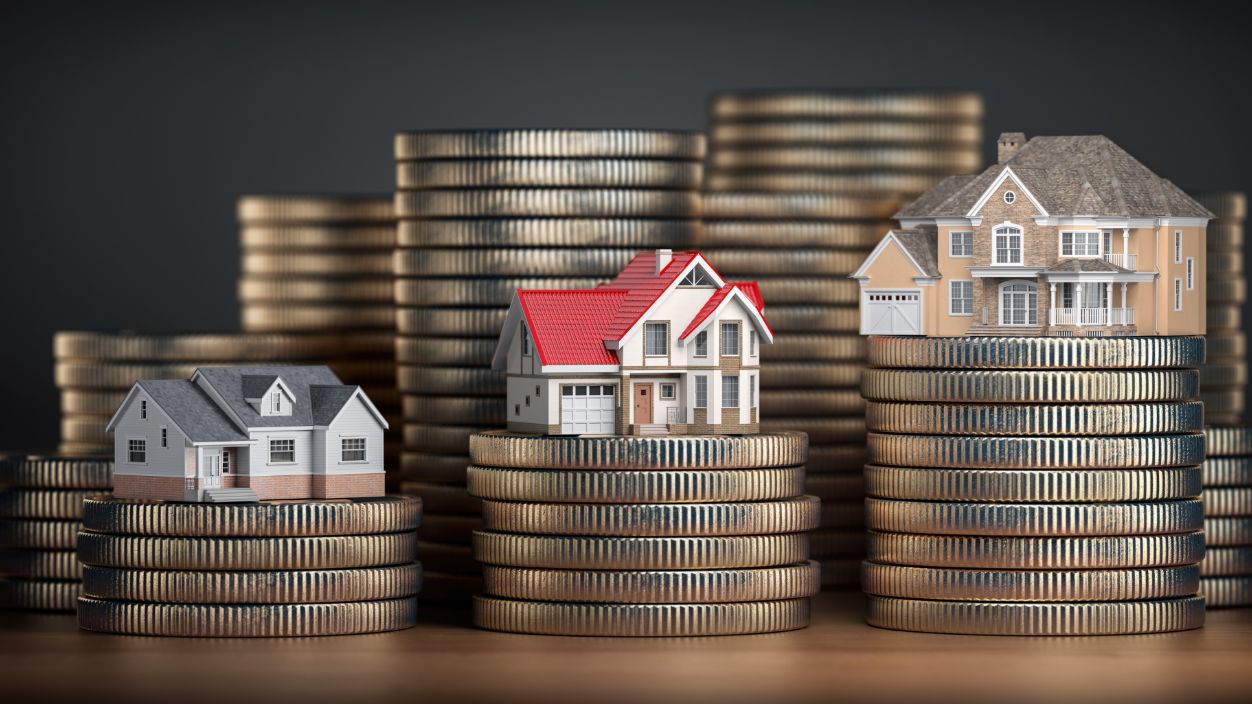
Defining the Terms: What Distinguishes a Home from Real Estate Investment?
At first glance, both a home and a real estate investment might appear similar—they both involve acquiring a physical property. However, the distinction lies in intent and use.
- Home: A property purchased primarily for personal use and residence. It is a place of comfort, family memories, and daily living.
- Real Estate Investment: Property bought primarily to generate income, appreciate in value, or both. This category includes rental properties, commercial real estate, fix-and-flip houses, and more.
When comparing home vs real estate, the intention behind the purchase defines the financial strategy, risk tolerance, and emotional involvement.
Emotional Value vs Financial Return
One of the most profound contrasts between buying a home and investing in real estate is the emotional aspect. A home is often a deeply personal place imbued with memories and family ties. The sense of stability and belonging it provides can outweigh monetary calculations for many buyers.
On the other hand, real estate investments are often viewed through a financial lens. While investors may develop a certain attachment to their properties, the primary focus remains on maximizing returns—whether through rental income, appreciation, or tax benefits.
This dichotomy between emotional value and financial return creates different decision-making processes and priorities, which are critical to grasp when evaluating home vs real estate.
Financial Considerations: Costs, Benefits, and Risks
Upfront and Ongoing Costs
Buying a home usually involves:
- Down payment (typically 3%–20%)
- Mortgage interest
- Property taxes and insurance
- Maintenance and repairs
Real estate investments often require higher down payments (sometimes 20% or more), potentially higher interest rates, and additional costs such as property management fees, vacancy periods, and marketing expenses.
However, investors can also deduct many expenses against income, reducing taxable profits. This is not typically the case with a primary residence, where mortgage interest and property tax deductions are more limited.
Cash Flow and Appreciation
A home may appreciate over time, but its primary function is not to generate income. In contrast, real estate investments ideally produce positive cash flow—monthly rental income exceeding expenses—while also appreciating in value.
Choosing between home vs real estate investments boils down to whether you want your property to serve as a sanctuary or a source of ongoing revenue.
Tax Implications
Tax treatment is another critical differentiator:
- Primary residences benefit from capital gains exclusions on sales (up to $250,000 or $500,000 for married couples).
- Real estate investors face capital gains taxes but may offset income with depreciation, interest deductions, and expense write-offs.
Understanding these nuances can significantly impact the long-term financial success of your property decisions.
Location, Location, Location: The Market Dynamics
Location plays a pivotal role in both homes and real estate investments, but the emphasis can differ.
For a home, considerations often center around lifestyle factors:
- Proximity to work, schools, and family
- Neighborhood safety and community atmosphere
- Access to amenities and cultural hubs
When focusing on real estate investments, the spotlight shifts to market dynamics:
- Rental demand and vacancy rates
- Economic growth and job market strength
- Potential for property appreciation and neighborhood revitalization
Savvy investors scrutinize local data, demographic trends, and urban development plans to identify opportunities where properties will likely appreciate and maintain high occupancy rates.
Risk and Reward Profiles
The risks associated with home vs real estate diverge significantly.
Homeownership Risks
- Market fluctuations reducing property value
- Unexpected repair costs
- Personal circumstances requiring relocation or financial strain
Despite these risks, homes provide intangible rewards such as stability and personal fulfillment.
Real Estate Investment Risks
- Tenant turnover and vacancies affecting cash flow
- Market downturns impacting property values
- Regulatory changes influencing rental laws or taxes
- Management challenges and maintenance liabilities
However, the potential rewards are compelling—diversified income streams, portfolio growth, and leverage advantages.
Financing Strategies: How Borrowing Differs
Mortgage lending practices vary based on whether you’re buying a home or investing in real estate.
- Home mortgages often have lower interest rates, longer terms, and more favorable down payment requirements.
- Investment property loans usually require higher down payments and have higher rates to offset lender risks.
Investors may also explore creative financing options, such as:
- Hard money loans for fix-and-flip projects
- Portfolio loans covering multiple properties
- Syndications or partnerships for pooled capital
Understanding financing nuances is critical when deciding home vs real estate acquisition strategies.
Time Horizon and Liquidity
Homes generally represent long-term commitments, with owners staying for years or decades. Selling a home is often a life event linked to changes in family structure or career.
Real estate investments may offer more flexibility depending on strategy. Some investors hold properties for long-term appreciation and cash flow, while others flip properties quickly to realize profits.
Liquidity remains a challenge in real estate overall, but investors often build portfolios designed to balance holding periods and exit strategies.
The Role of Property Management
When purchasing a home, you manage your own space. This personal oversight can be rewarding but also time-consuming.
Real estate investors often hire property managers to handle tenant relations, maintenance, and rent collection. Outsourcing these responsibilities can enhance scalability but introduces additional costs and reliance on third parties.
Choosing between home vs real estate investments involves assessing your willingness and capacity to manage properties.
Building Wealth and Legacy
Real estate has long been a favored vehicle for wealth accumulation. However, the pathways differ:
- A home builds equity as you pay down your mortgage, offering a forced savings mechanism.
- Real estate investments can accelerate wealth through leveraged cash flow and appreciation, providing opportunities for portfolio diversification.
Many investors start with a home and transition into real estate investments, leveraging the equity from their primary residence to acquire income-producing properties.
Both paths can contribute to generational wealth, but the strategies and mindset required differ.
Psychological and Lifestyle Factors
The decision to buy a home or invest in real estate extends beyond numbers.
Owning a home fulfills emotional needs: security, identity, and a sense of community. It’s a place for celebrations, relaxation, and personal expression.
Real estate investing, while sometimes thrilling, demands a businesslike approach, resilience to market fluctuations, and a tolerance for uncertainty.
Balancing these psychological and lifestyle considerations is crucial to aligning your purchase with your values and goals.
Final Thoughts on Home vs Real Estate Investment
Choosing between home vs real estate investment is a nuanced process that requires careful reflection on your financial objectives, risk appetite, lifestyle preferences, and long-term vision.
- If your priority is creating a loving, stable environment with a potential for gradual equity growth, a home may be the perfect choice.
- If your goal is to build wealth, generate passive income, and engage in asset management, real estate investment offers powerful opportunities.
The best approach may even combine both—owning a home while strategically acquiring investment properties over time to diversify and strengthen your financial foundation.
In either case, arming yourself with knowledge, leveraging expert advice, and staying attuned to market dynamics will ensure your property decisions are not just transactions but transformative milestones on your journey to prosperity.
Embrace the adventure and make the choice that best suits your unique aspirations and dreams!