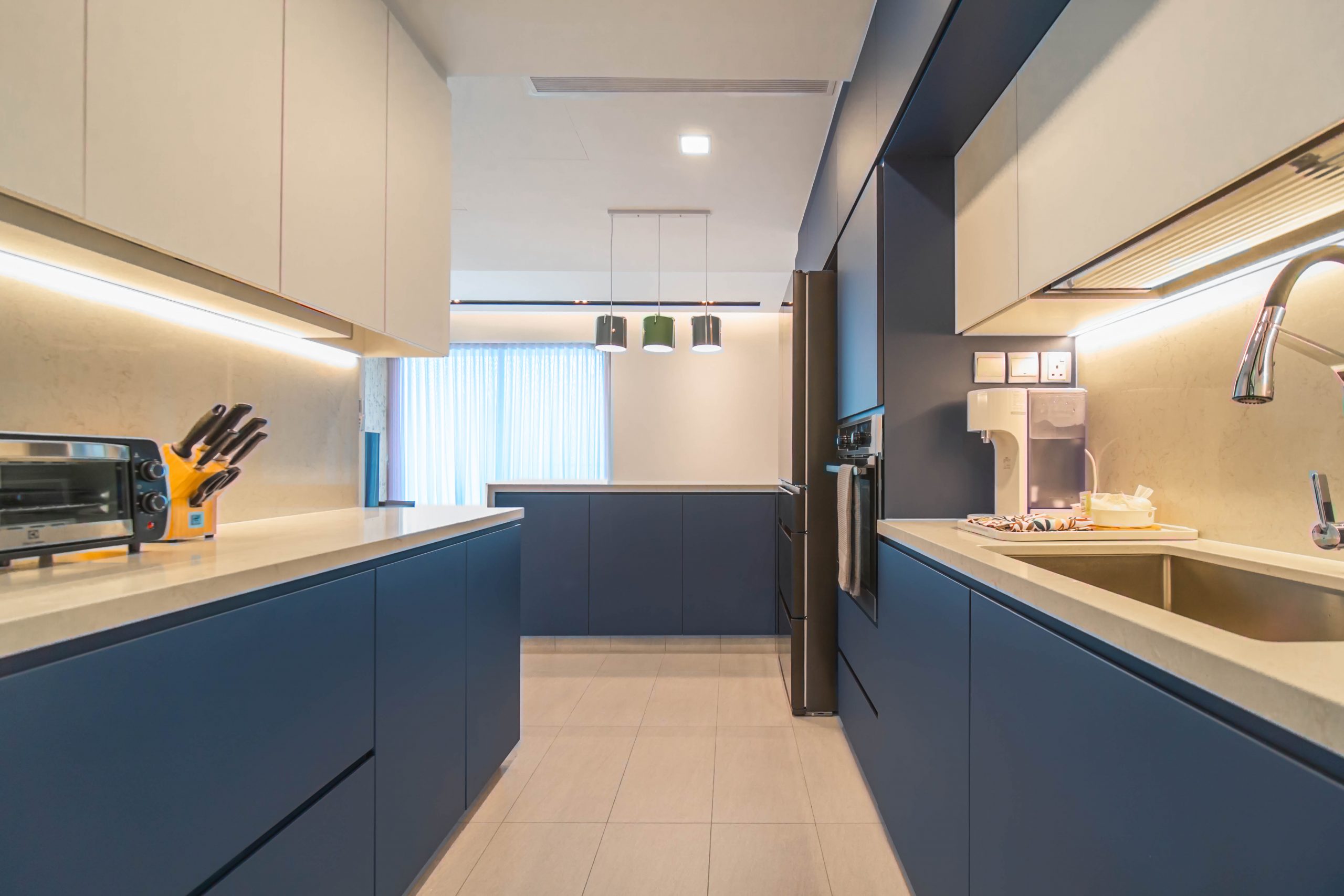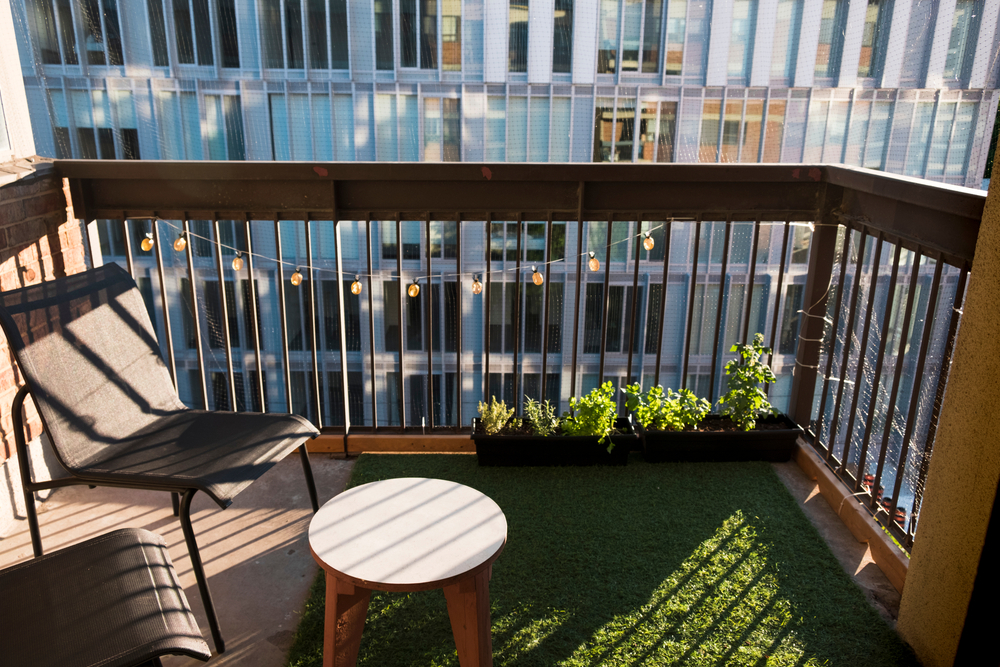


Maximize Light in Your Condominium Sunlight enlivens moods, expands visual space, and transforms interiors into invigorating sanctuaries. Yet city condos often wrestle with limited windows, neighboring high-rises, and shaded setbacks. This guide reveals proven tactics to maximize light condominium environments—melding architectural insight, design ingenuity, and technological wizardry. Prepare to banish gloom, amplify radiance, and create a luminous haven in even the most compact urban abode.
1. Understand the Power of Natural Illumination
Natural light does more than simply brighten a room. It:
- Regulates circadian rhythms
- Elevates neurotransmitters linked to happiness
- Reduces dependence on artificial lighting (thus lowering energy bills)
- Showcases textures, colors, and artwork in their truest forms
Harnessing daylight—its diurnal journey from morning effulgence to mellow sunset glow—lays the groundwork to maximize light condominium spaces.
2. Orienting Your Layout for Daylight Harvest
A. Capitalize on Window Placement
- Identify primary and secondary fenestrations.
- Arrange living and working areas nearest sunlit walls.
- Reserve interior zones (closets, bathrooms) for corners devoid of windows.
B. Embrace “Daylight Wells”
Where direct windows are scarce, install glass-block walls or translucent partitions to usher borrowed light into core interiors.
C. Mirror Existing Light Sources
Strategic placement of reflective surfaces near windows can double perceived illumination. Mirrors, glossy tiles, and mirrored furniture act as luminous conduits—redirecting sunshine deeper into your floorplan.
3. Choose Reflective and Translucent Materials
A. High-Sheen Finishes
- Lacquered Cabinets: Gloss levels above 80% create specular reflection.
- Polished Stone Flooring: Marble or terrazzo underfoot amplifies vertical light.
- Glass Tabletops: Clear or tinted glass surfaces convey light rather than absorb it.
B. Diaphanous Fabrics
Lightweight voile or sheer linen draperies filter glare while still admitting ample daylight.
C. Translucent Partitions
Frosted glass panels delineate spaces without choking off luminosity, preserving both privacy and glow.
4. Optimize Color Schemes for Luminosity
A. Light, Cool Neutrals
Whites, soft ivories, and pale grays reflect maximum light. Slightly warm undertones (cream, eggshell) prevent a sterile ambience.
B. Perimeter Accent Walls
A single wall painted in a prismatic pastel—pale mint or whispering lavender—can refract daylight onto adjacent surfaces.
C. Metallic Accents
Brushed nickel, polished chrome, and pale brass in fixtures and hardware introduce shimmering punctuations of light.
5. Embrace Minimalism to Combat Penumbra
Clutter accretes shadows. A streamlined interior allows light to traverse uninterrupted.
- Open Shelving: Exposes wall surfaces to daylight.
- Floating Furniture: Legs create undercuts where light can pass.
- Concealed Storage: Flush cabinetry erases chunky silhouettes that block illumination.
Adopting a minimalist ethos helps you maximize light condominium real estate, ensuring each square foot remains aglow.
6. Layer Artificial Lighting with Daylight in Mind
Natural light wanes. Intelligent electric lighting fills the gaps.
A. Ambient Lighting
Recessed LED cans with diffusers deliver uniform glow without creating harsh hotspots.
B. Task Lighting
Under-cabinet LED strips in kitchens and inset desk lamps in home offices prevent shadowy work zones.
C. Accent Lighting
Picture lights, wall washers, and track heads highlight art or architectural niches—adding visual depth even after sundown.
D. Tunable White Technology
Fixtures capable of shifting color temperature—from cool (5000K+) for daylight mimicry to warm (2700K) for cozy evenings—harmonize artificial and natural sources.
7. Integrate Smart Controls and Sensors
Automation tailors illumination to both time and activity.
- Daylight Harvesting Sensors: Dimming overhead lights when sufficient daylight is detected.
- Motion-Activated Fixtures: Illuminate corridors only when required, preserving effulgence in primary rooms.
- Programmable Shades: Raise with sunrise and lower at dusk, maximizing daylight exposure while preventing glare.
Smart integration not only conserves energy but also enhances the seamless confluence of sunlight and electricity—a hallmark of any maximize light condominium strategy.
8. Leverage Architectural Enhancements
Even minor structural modifications can yield major daylight gains.
A. Skylights and Solar Tubes
Where ceiling heights and HOA rules permit, these overhead apertures channel direct sun and sky glow into deep interior zones.
B. Enlarged Window Openings
Replacing small, dated windows with floor-to-ceiling glazing (subject to building regulations) radically increases daylight access.
C. Minimally Framed Glass Doors
Sliding or French doors with slender mullions between rooms encourage light to traverse interior partitions.
Consult an architect or structural engineer to ensure any alterations adhere to safety and code requirements.
9. Strategic Furniture Placement
Furniture can either obstruct or amplify light paths.
- Position sofas and beds away from direct sunlight to prevent glare yet leave ample walkways beside windows.
- Use low-profile seating near fenestrations to avoid visual blockages.
- Group reflective decor—mirrored trays, metallic vases—on coffee tables to act as secondary light sources.
Conscious arrangement ensures that furniture contributes to, rather than competes with, daylight distribution.
10. Harness Outdoor Elements
For balconies or terraces, external design choices impact interior light as well.
- Light-Colored Decking: Pale composite or painted concrete reflects sunlight back indoors.
- Retractable Awnings: Shield direct sun during peak glare hours yet roll away to admit maximum light at other times.
- Glass or Cable Railings: Transparent barriers allow unimpeded sun penetration versus opaque balustrades.
These external maximize light condominium tactics ensure the boundary between outdoor and indoor brilliance remains fluid.
11. Introduce Luminescent Bio-Elements
Biophilic design marries light and life.
- Glossed Planters: Reflect ambient illumination while nurturing your green ensemble.
- Variegated Foliage: Neon-tinged leaves (e.g., Fittonia, Calathea) thrive near windows and scatter flecks of light.
- Water Features: Mini tabletop fountains create shimmering ripples that refract sunlight throughout the room.
Such living features do more than beautify—they actively diffuse daylight and enliven atmospheres.
12. Maintain Pristine Surfaces
Dust, streaks, and smudges degrade luminosity. Institute regular upkeep:
- Window Washing: Monthly cleaning of interior and accessible exterior glass prevents haze.
- Polished Floors: Burnish hardwood or tile quarterly to maintain reflective efficacy.
- Drapery Laundering: Remove buildup that can darken fabrics over time.
- Light Fixture Cleaning: Wipe lenses and diffusers to eliminate film that dims bulbs.
Meticulous maintenance ensures your maximize light condominium initiatives continue shining bright.
13. Seasonal Adjustments and Solar Management
Sun angles shift with the seasons. Adapt to maintain consistent illumination.
A. Spring and Fall
- Minimal shading needed. Keep curtains pulled back to capture lower-angle sun.
B. Summer
- Deploy UV-blocking films or solar screens to mitigate overheating without sacrificing light.
C. Winter
- Remove external obstructions (snow, debris) promptly.
- Consider temporary reflective panels on nearby walls to bounce low-angle winter sun into your space.
Dynamic calibration of shading and reflection ensures year-round brilliance.
Illuminating a condominium to its brightest potential demands a symphony of strategies—spatial orientation, reflective materials, judicious decor, advanced lighting controls, and regular upkeep. By implementing these insights, you can maximize light condominium interiors, crafting an atmosphere that uplifts the spirit, enhances health, and visually expands your urban dwelling. Let daylight reign supreme, and watch as your space metamorphoses into an effulgent sanctuary.