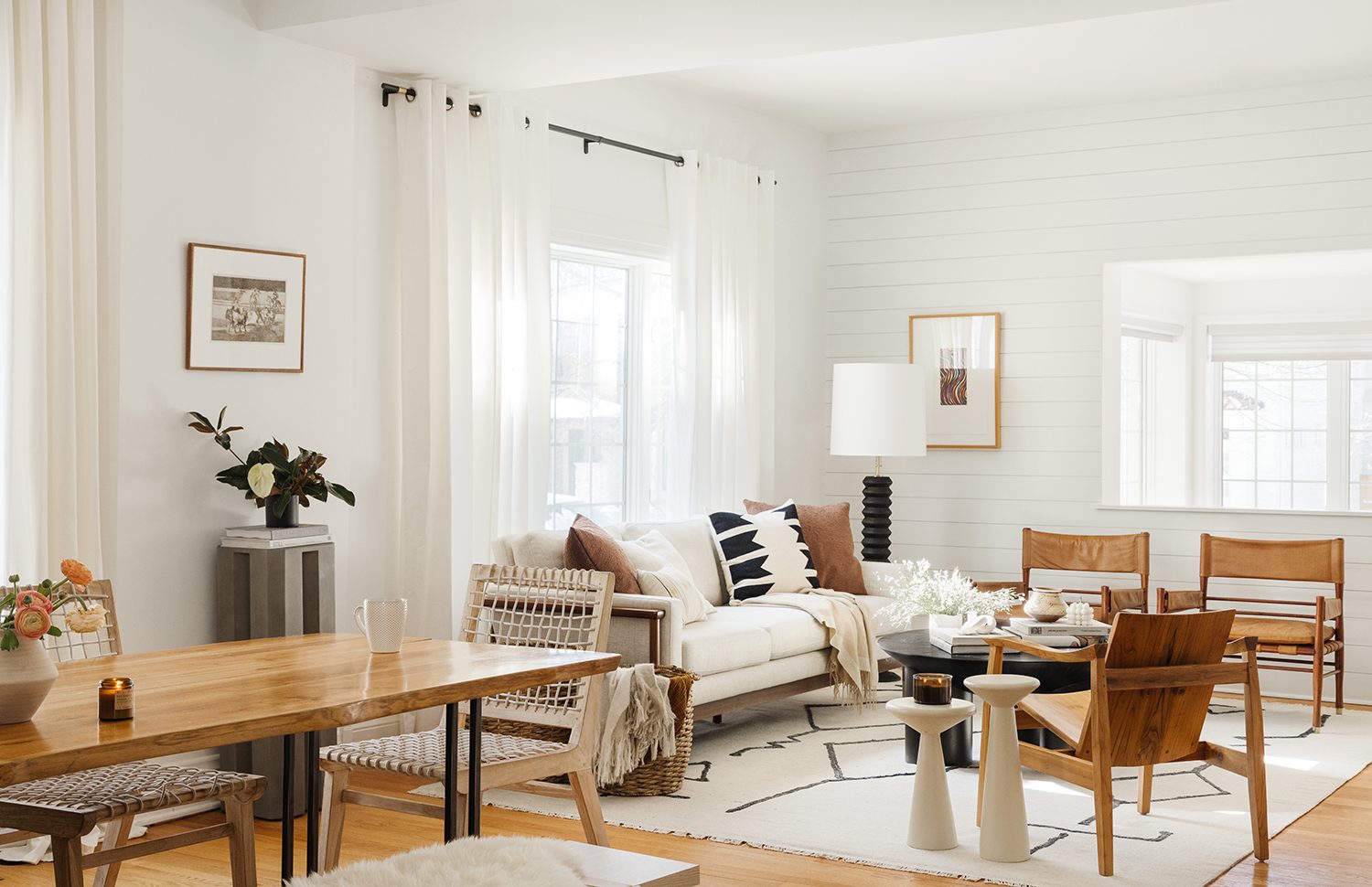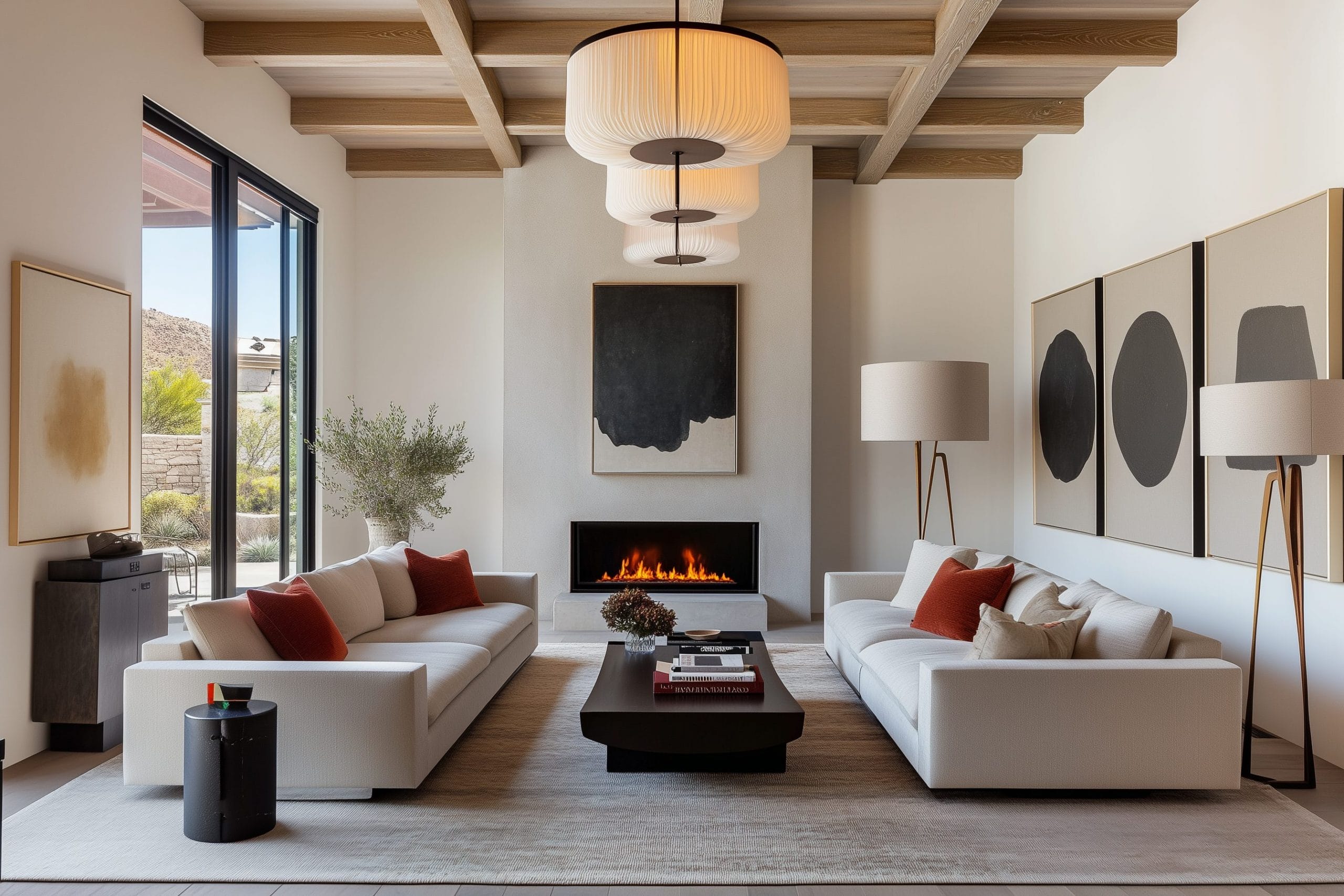


Home Design for First-Time Owners Becoming a homeowner is a milestone brimming with excitement and possibility. Yet stepping into the world of home design first time can feel a touch overwhelming. Where do you begin? What priorities reign supreme? Fear not—this guide unravels every nuance, from spatial planning to finishing touches. Whether you’ve inherited a fixer-upper or moved into a pristine new build, these insights will empower you to create a cohesive, stylish, and functional haven that reflects your unique flair.
1. Define Your Lifestyle Blueprint
Every successful design starts with understanding how you live and breathe. Are you a social maven who hosts weekend soirées? Or a quiet bibliophile who craves serene nooks? Analyze your daily routines:
- List must-have activities: cooking elaborate meals, working from home, yoga practice, or crafts.
- Pinpoint high-traffic zones: living room, kitchen, entryway.
- Note privacy needs: guest bedrooms, home office, meditation corner.
This exercise forms the backbone of home design first time planning. It clarifies which areas merit splurging and which can subsist on thrifted ingenuity.
2. Establish a Sensible Budget
Money matters. Yet budgets need not stifle creativity. Determine a comprehensive spending framework:
- Allocate percentages to zones: perhaps 30% for the kitchen, 20% for living areas, 10% for bathrooms, and the rest for flooring, lighting, and décor.
- Factor in soft costs: permits, professional fees, and unexpected contingencies (aim for a 10% cushion).
- Prioritize investments: splurge on a high-quality sofa if you entertain often, but economize on guest-room furnishings.
A well-crafted budget ensures you wield your resources strategically, preventing last-minute scrambles and design compromises.
3. Master the Art of Space Planning
Spatial orchestration is paramount. Great design flows seamlessly:
- Sketch or use simple software: rough layouts help visualize furniture groupings and circulation paths.
- Anchor with focal points: a fireplace, large window, or statement artwork guides the eye.
- Maintain clear pathways: avoid furniture blocking natural walkways—aim for at least 30–36 inches of clearance.
Precision in arrangement elevates both form and function, ensuring your home feels spacious, even if square footage is modest.
4. Select a Cohesive Color Palette
Color weaves emotional undercurrents throughout your domain. To curate harmony:
- Choose a primary hue for main rooms (e.g., soft dove gray or muted sage).
- Add accent colors sparingly: jewel tones like teal or coral can invigorate cushions and art.
- Employ the 60-30-10 rule: 60% dominant walls, 30% secondary upholstery, 10% accent pieces.
Opt for subtle contrasts rather than jarring clashes. This heirloom-worthy approach ensures longevity and adaptability.
5. Invest in Timeless Flooring
Underfoot surfaces set the tone. While trendy patterns can seduce, timeless materials safeguard resale value:
- Engineered hardwood: durable, moisture-resistant, and available in myriad finishes.
- Luxury vinyl plank: budget-friendly yet convincingly wood-like, with easy maintenance.
- Large-format porcelain tile: ideal for bathrooms and kitchens, offering seamless transitions.
Floors are the unsung heroes of interior design. Splurge judiciously here and complement with area rugs for warmth and texture.
6. Illuminate with Layered Lighting
Lighting shapes ambiance and functionality. Embrace a three-tiered approach:
- Ambient: recessed cans, track lighting, or central fixtures for general illumination.
- Task: under-cabinet lights in kitchens, desk lamps in home offices, and reading sconces by chairs.
- Accent: picture lights, LED strips inside cabinets, or uplights to highlight architectural details.
Dimmers are invaluable. They allow you to modulate brightness according to mood and time of day, boosting both comfort and efficiency.
7. Curate Furnishings Strategically
Selecting furniture is akin to dressing your home’s personality. Follow these precepts:
- Scale matters: oversized pieces in small rooms feel oppressive; too tiny items can look lost.
- Prioritize comfort: test sofas and beds before purchasing—ergonomics should trump aesthetics.
- Embrace multifunctionality: ottomans with storage, nesting tables, or sofa beds add versatility in first homes.
If you’re on a tight budget, mix high and low. Pair investment pieces with thrifted finds that have undergone a chic makeover.
8. Incorporate Textural Layers
Texture injects depth and tactile appeal. Play with materials across surfaces:
- Soft textiles: velvet throw pillows, chunky-knit blankets, and linen drapes.
- Natural elements: rattan baskets, reclaimed wood shelves, and stone planters.
- Reflective accents: metallic vases, mirrored trays, or glossy ceramic lamps.
An interplay of rough and smooth, matte and lustrous, cultivates an inviting, multidimensional environment.
9. Personalize with Art and Accessories
Your home attains soul through curated accents and meaningful decor:
- Gallery walls: mix framed prints, personal photographs, and sculptural pieces.
- Collections: display cherished ceramics, vintage cameras, or travel mementos on open shelves.
- Statement mirrors: not only practical but also bounce light and expand visual space.
Resist overaccessorizing. Edit ruthlessly to prevent clutter. Each piece should resonate with your narrative.
10. Embrace Sustainable Selections
Eco-conscious choices pay dividends for both planet and pocketbook:
- Salvaged materials: repurposed barn wood, reclaimed brick, or salvaged hardware lend authenticity.
- Low-VOC paints and finishes: safeguard indoor air quality and ensure healthier living.
- Energy-efficient appliances and fixtures: reduce utility bills while contributing to a greener footprint.
Sustainability can dovetail seamlessly with style when approached thoughtfully.
11. Leverage Technology and Smart Home Features
Modern living thrives on connectivity and convenience:
- Smart thermostats: learn your schedule, adapt to your preferences, and deliver energy savings.
- Integrated lighting controls: program scenes for morning routines or evening entertaining.
- Voice-activated assistants and smart locks: heighten security and streamline daily tasks.
Subtle tech integration enhances comfort without detracting from your aesthetic vision.
12. Plan for Growth and Flexibility
Your needs will evolve over time. Design with adaptability in mind:
- Modular furniture: sectionals that can be reconfigured, or shelving systems with adjustable components.
- Convertible spaces: a guest room that doubles as a home office or crafts nook.
- Future-proof wiring: pre-wire for surround sound, additional outlets, or charging stations.
Anticipating changes ensures your home remains functional and relevant for years to come.
13. Optimize Storage Solutions
Clutter undermines elegance. Thoughtful storage is critical:
- Built-in cabinetry: custom units beneath stairs or flanking fireplaces maximize every inch.
- Concealed options: ottomans and benches with hidden compartments.
- Vertical organizers: pegboards in pantries, hanging racks in closets, and floating shelves in bathrooms.
An orderly environment feels more expansive and serene—a boon for first-time homeowners.
14. Attention to Detail: Hardware and Finishes
It’s often the minutiae that elevate a design from good to exquisite:
- Cabinet pulls and door handles: swap standard fixtures for bespoke brass or matte-black options.
- Trim and molding: simple crown molding or picture rails add architectural gravitas.
- Sink and faucet upgrades: a waterfall spout or industrial-style faucet can become a focal point.
These incremental enhancements are cost-effective yet transformative in the realm of home design first time endeavors.
15. Final Flourish: Seasonal Refreshes
Keep your home feeling fresh by rotating decor seasonally:
- Swapping cushion covers and throws: lighten up for spring with pastels; introduce earth tones in autumn.
- Changing art and vignettes: refresh coffee-table books and tabletop arrangements.
- Incorporating nature’s bounty: branch clippings in winter, blooming bulbs in spring, dried grasses in fall.
These cyclical shifts sustain visual interest without necessitating major overhauls.
Your Home, Your Masterpiece
Embarking on home design first time is an exhilarating journey of self-expression. By defining your needs, establishing a thoughtful budget, mastering spatial layouts, and infusing personal touches, you’ll cultivate a residence that’s both beautiful and inherently yours. Remember: great design marries aesthetics with functionality, blending enduring classics with singular flourishes. Approach each decision with intention, embrace the thrill of discovery, and relish the process. Your dream home awaits—go forth and create with confidence!