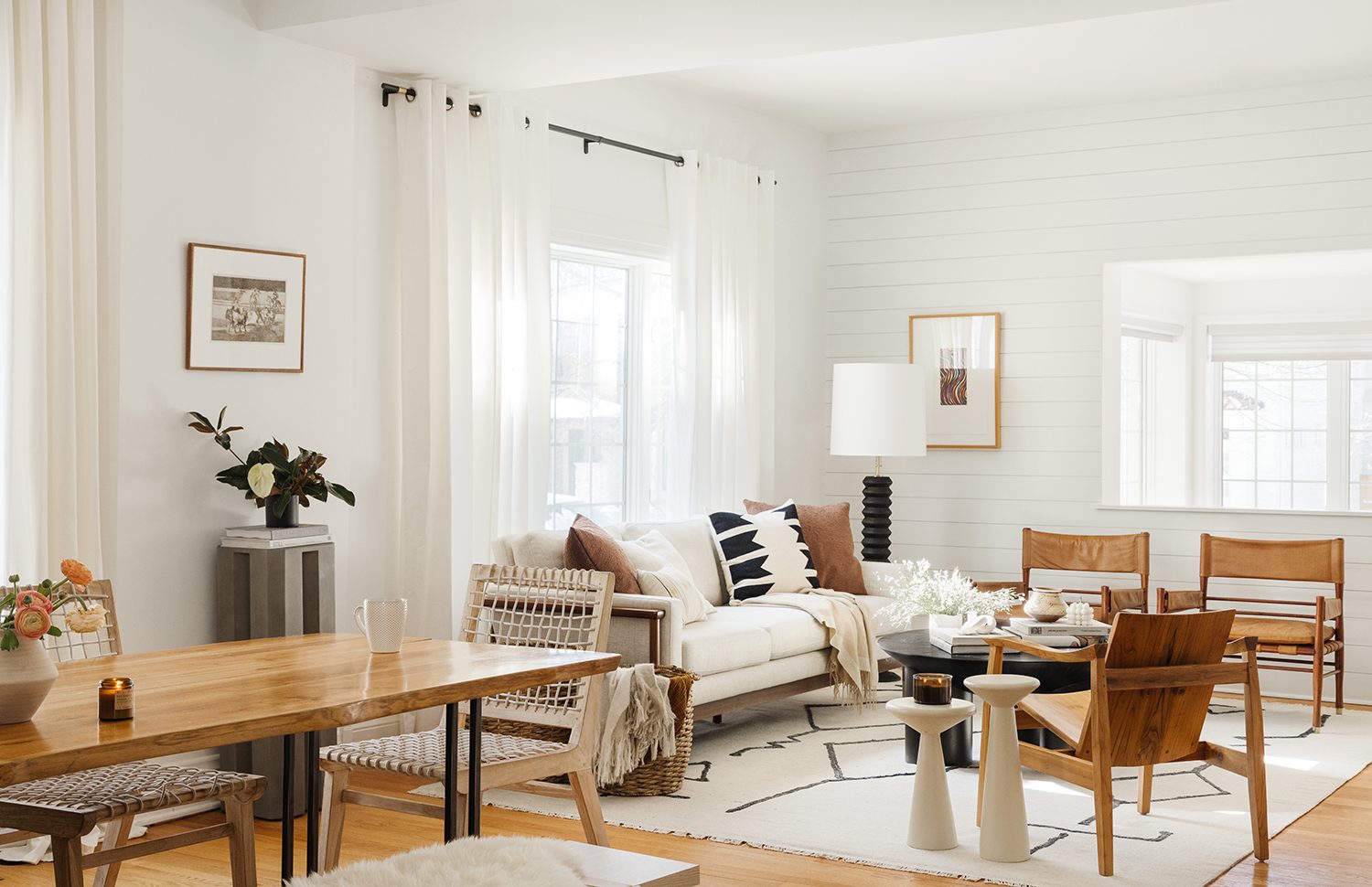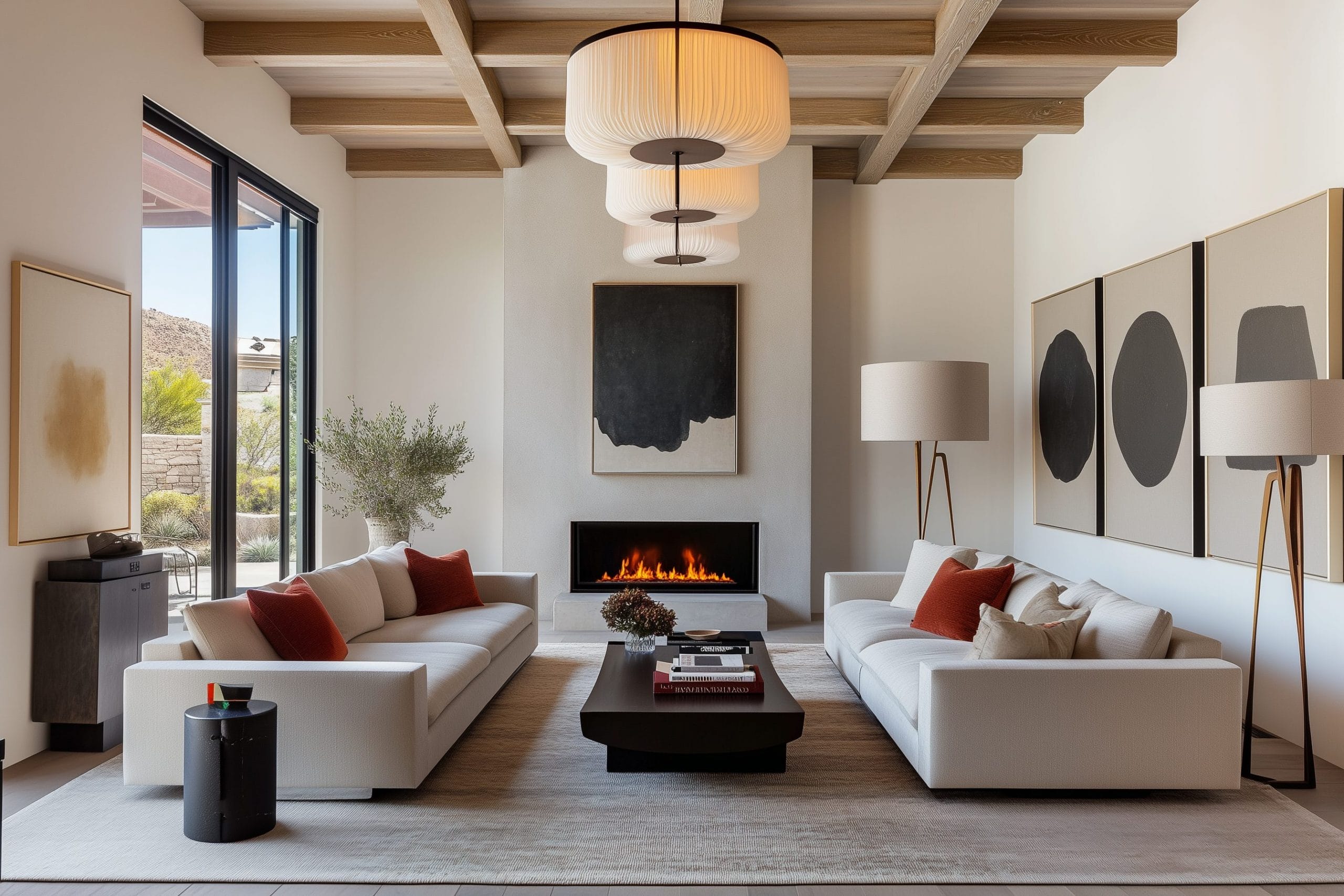


Maximize Light in Home Design In the architectural symphony of interiors, light plays the role of both conductor and muse. It can alter perceptions of space, breathe vitality into rooms, and even uplift moods with effortless grace. To maximize home design light is to embrace more than illumination—it’s to compose a living environment that sparkles with serenity, elegance, and purposeful clarity.
Whether natural or artificial, light’s influence on our living quarters is profound. With strategic design, you can channel beams of brilliance through every corner, turning dim interiors into dazzling sanctuaries. Here’s how to create a radiant home that exudes warmth, openness, and character.

The Psychology of Light: More Than Just Brightness
Light is not merely a physical phenomenon—it’s a psychological stimulant. It shapes emotions, regulates circadian rhythms, and contributes to the overall ambiance of a home. A well-lit space invites productivity during the day and restfulness at night. It affects perception: brighter spaces often feel larger, more inviting, and inherently cleaner.
To maximize home design light, consider not just how light functions, but how it feels. Aim for layers of illumination that echo both the time of day and the room’s purpose.
Let the Sunshine In: Natural Light as a Design Pillar
Harnessing daylight is the most energy-efficient and health-conscious strategy. It’s soft, ever-shifting, and free—making it the gold standard in lighting design.
1. Strategic Window Placement
The orientation of windows plays a critical role in how much light floods a room. South-facing windows provide consistent daylight throughout the day, while east-facing ones capture the golden hue of morning sun.
- Use larger panes or floor-to-ceiling glazing to optimize light intake.
- Install clerestory or transom windows to allow high light flow without compromising privacy.
2. Open Floor Plans
Removing unnecessary walls allows natural light to travel freely, bouncing from surface to surface. Consider half walls, glass partitions, or open shelving instead of full dividers.
3. Skylights and Light Tubes
A skylight can transform even the darkest attic into a sun-drenched retreat. For smaller rooms or tight spaces, solar tubes (light tunnels) are a brilliant solution to maximize home design light without major renovations.
4. Reflective Surfaces
Glossy floors, mirrors, and metallic accents act as conduits for sunlight. They amplify existing light, creating an ethereal glow that dances across surfaces.
- Mirrors opposite windows double the impact of daylight.
- Glass tiles in kitchens or bathrooms subtly reflect ambient light.
The Role of Color in Amplifying Light
Color isn’t just decorative—it’s a powerful tool in lighting design.
- Whites and light neutrals: These hues are masters of reflectivity. Walls painted in eggshell white or soft dove gray will bounce light more effectively.
- Cool undertones: Blues, lavenders, and pale greens can make a room feel airier and brighter.
- Warm undertones: Creams and sandy beiges soften spaces and make artificial light feel more natural.
To maximize home design light, pair these palettes with low-sheen or satin finishes for optimal light diffusion.
Smart Layout and Furniture Choices
Light needs room to roam. Overstuffed furniture or dark, bulky pieces can absorb brightness and weigh down a space.
- Opt for leggy furniture that lets light pass underneath.
- Choose translucent or light-colored upholstery.
- Avoid blocking windows with tall bookcases or wardrobes.
Even the direction in which your furniture is arranged can impact how light flows. Keep sightlines open to windows and reflective surfaces.
Artificial Lighting: Layers for Balance and Beauty
Natural light is essential, but it’s not always available. That’s where artificial lighting layers come into play.
1. Ambient Lighting
The foundation of your lighting scheme. Think of it as the general glow that fills the room.
- Recessed ceiling lights
- Flush mounts or chandeliers
- Wall-mounted fixtures for open hallways
2. Task Lighting
This targets specific functions—reading, cooking, grooming.
- Pendant lights over kitchen islands
- LED strips under cabinets
- Adjustable desk lamps
3. Accent Lighting
Used to highlight architectural features or art, accent lighting adds drama and dimension.
- Wall sconces
- Picture lights
- Cove lighting or uplights for texture
To truly maximize home design light, incorporate dimmer switches. This allows you to fine-tune the luminosity according to time and mood.
Materials That Radiate
Materials either absorb or reflect light. Choose wisely, and your home becomes a beacon of brightness.
High-Gloss Finishes
Kitchen cabinets with a lacquered finish or high-gloss side tables can act as mirrors for both natural and artificial light.
Glass and Acrylic
Tables, balustrades, and even stair treads in glass maintain openness and transparency, allowing light to pass unimpeded.
Polished Metals
Brushed brass, chrome, and stainless steel subtly bounce light around a room, adding shimmer without gaudiness.
Natural Stone
Marble, limestone, and polished granite can elevate spaces while serving as luminous surfaces.
Window Treatments: Light’s Stylish Allies
Window dressings can either enhance or inhibit brightness.
- Sheer curtains: Allow soft light to filter in while diffusing harsh rays.
- Light-filtering roller shades: Offer privacy without sacrificing glow.
- Roman blinds: When made from linen or voile, they provide a gentle aesthetic that still supports the goal to maximize home design light.
Avoid heavy drapes or dark fabrics unless you need blackout conditions in bedrooms.
Room-by-Room Strategies
Living Room
- Large mirrors, positioned opposite light sources
- Glass coffee tables and pale area rugs
- Uplighting behind plants or in corners
Kitchen
- Glossy subway tile backsplashes
- Pendant lighting in matte gold or frosted glass
- Reflective quartz countertops
Bathroom
- Frameless glass showers
- Large-format tiles in soft tones
- Backlit mirrors and sconces
Bedroom
- Translucent shades to welcome morning light
- Layered bedside lighting with dimmers
- Pale linens and minimalist furniture
Entryway
- Oversized mirrors or mirrored consoles
- Skylights or sidelight panels next to doors
- Light-toned flooring materials like maple or light oak
Landscape Integration: Bringing in Outdoor Glow
Outdoor design influences interior lighting as well.
- Trim overgrown foliage around windows.
- Use reflective landscaping materials like white gravel or water features to amplify exterior light.
- Position patios or decks to extend light-filled living areas.
Even a strategically placed pergola can funnel sunlight through architectural lines.
Smart Tech for Smarter Lighting
Incorporate intelligent lighting systems that mimic the sun’s natural progression. Tunable white LED bulbs can shift from energizing blue hues in the morning to warm amber tones in the evening.
Smart controls can automate blinds, adjust light intensity, and even sync with circadian rhythms—bringing a holistic approach to how you maximize home design light.
Common Mistakes That Dim the Glow
- Over-reliance on a single light source: A lonely ceiling fixture won’t cut it.
- Dark, matte surfaces everywhere: These soak up brightness and flatten ambiance.
- Neglecting corners: Empty, unlit corners create shadows that shrink a space.
Balance and layering are the antidotes. Light should move through your space with continuity and grace.
The Invisible Magic: Light as Architecture
When properly executed, lighting becomes an architectural element—shaping perceptions, defining zones, and crafting mood.
Backlit panels, floating stairs with embedded lights, or walls washed with illumination bring structure and subtle grandeur. These refined touches transform standard interiors into living sculptures of light.
To maximize home design light is to unlock the secret language of interiors—a dialogue of beams, shadows, and reflective splendor. When light is respected, prioritized, and intelligently layered, the home becomes more than a shelter. It becomes a radiant haven.
By using natural light to its full potential, amplifying it with smart materials, and enhancing it with thoughtful artificial sources, you infuse every room with vitality. From sunrise to sunset, your home can shimmer with energy, elegance, and ease.
Let there be light—and lots of it.