

Simple Home Design Tips That Work Designing a home doesn’t have to feel like a daunting expedition into the world of architecture or interior trends. With just a few intentional adjustments, a thoughtful layout, and an eye for the small details, even the most ordinary spaces can become extraordinary. Whether you reside in a cozy apartment, a spacious suburban home, or a high-rise condo, these simple home design tips can help you create a living environment that is both functional and full of charm.
1. Start with a Purpose-Driven Layout
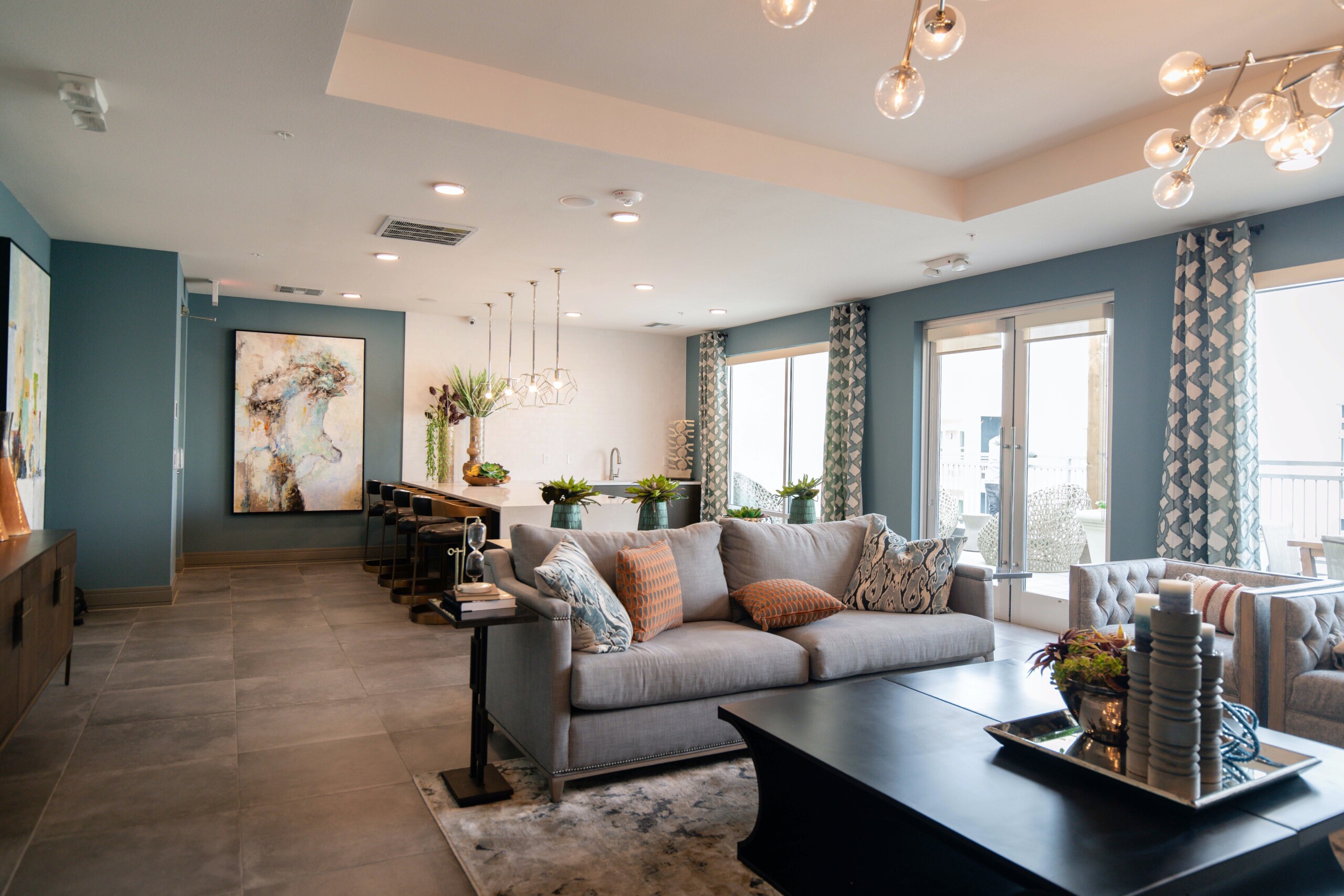
Before selecting paint colors or rearranging furniture, begin with the question: What is this space meant to do? Every room deserves a clear function. Designate zones—rest, work, dine, play—and let these dictate the layout. When you give each section of your home a reason to exist, your entire space feels more coherent and inviting.
Anchor your living room with a rug to define the seating area. Align your furniture to encourage conversation rather than just TV viewing. Use bookcases or open shelving to create subtle boundaries in an open-plan layout. Purpose drives design.
2. Let the Light Lead the Way
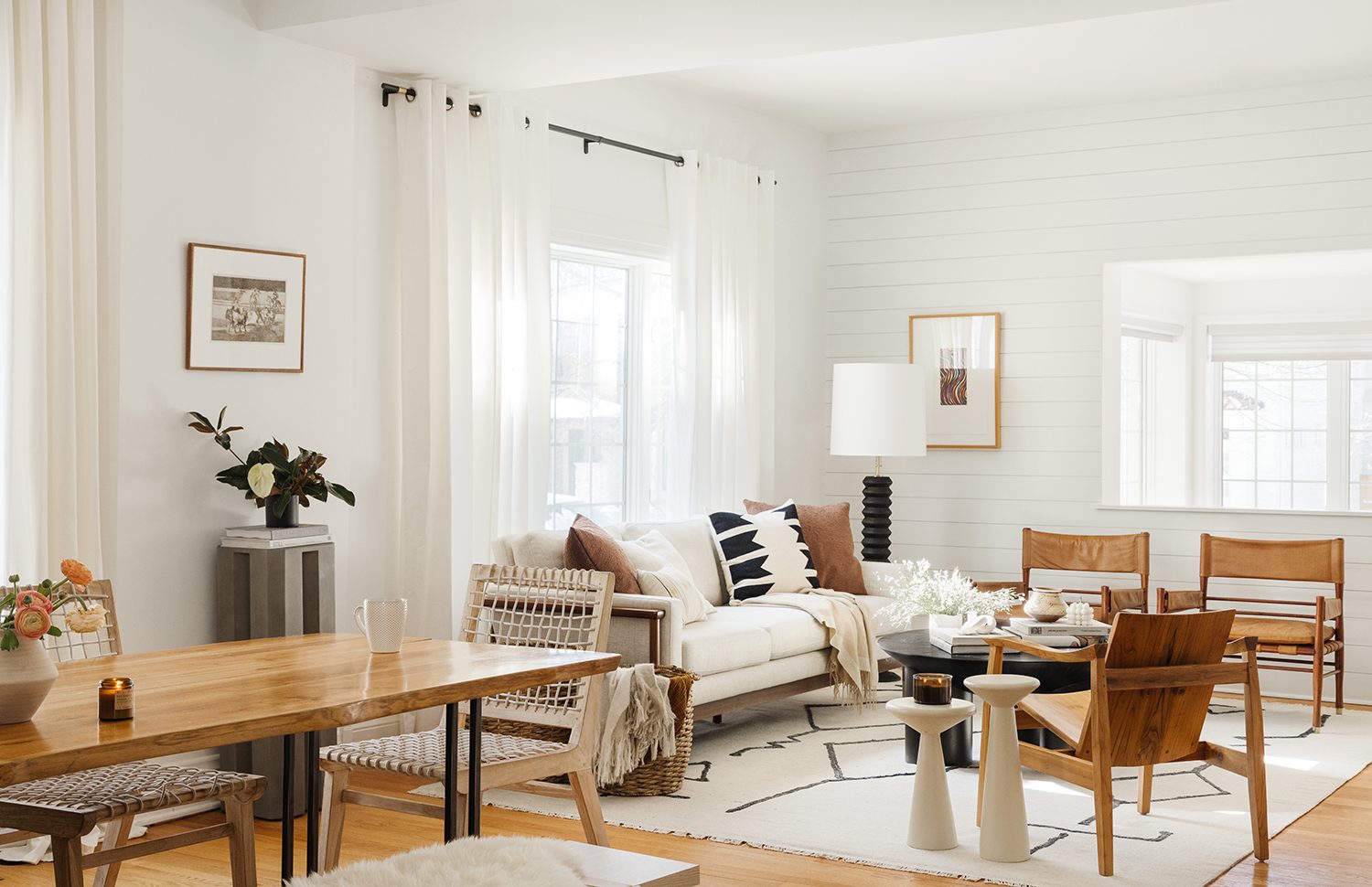
Natural light is one of the most transformative design elements. It expands, enhances, and energizes a space without costing a cent. Keep windows unobstructed. Opt for sheer curtains, especially in smaller rooms. If privacy is a concern, consider frosted films or woven shades that filter light while maintaining discretion.
Strategically place mirrors to reflect daylight and double the brightness. Mirrors near entryways, across from windows, or above fireplaces amplify illumination and create an airy ambiance.
3. Master the Rule of Three
In the world of design, odd numbers are king. Grouping décor in threes—like candles, vases, or framed art—creates a sense of balance and visual intrigue. It’s a subtle trick that draws the eye and adds dimension. Use this rule across tabletops, mantels, or even wall hangings. The result feels both curated and effortless.
4. Mix Textures for Visual Interest
When everything in a room feels the same—too sleek, too rough, too matte—the space can fall flat. Layering different textures elevates a design scheme. Think leather chairs with linen cushions, reclaimed wood tables next to brushed metal lamps, or velvet throws on a boucle armchair.
These juxtapositions add depth and personality. Texture invites touch, and touch invites comfort. Among the most effective simple home design tips is to create tactile richness.
5. Paint with Intention
A fresh coat of paint can transform a room more than most people realize. Go beyond safe neutrals—though they have their place—and explore accent walls, two-tone designs, or even painted ceilings. Earthy greens, deep navy, dusty rose, and moody charcoal tones are all bold yet livable options.
Don’t forget baseboards, window trims, and doors. Painting these in a contrasting color from the walls can frame the room and elevate its overall sophistication.
6. Scale is Everything
No matter how chic your furniture is, if the scale doesn’t match the space, it won’t feel right. A common mistake is choosing oversized pieces for small rooms or too many petite pieces in a large room. In compact areas, opt for furniture with exposed legs to maintain visual lightness. In expansive spaces, go for substantial sofas and statement lighting that command attention.
Visual flow matters too—ensure that furniture doesn’t obstruct pathways or create congestion. Every piece should feel like it belongs in both form and function.
7. Create Focal Points
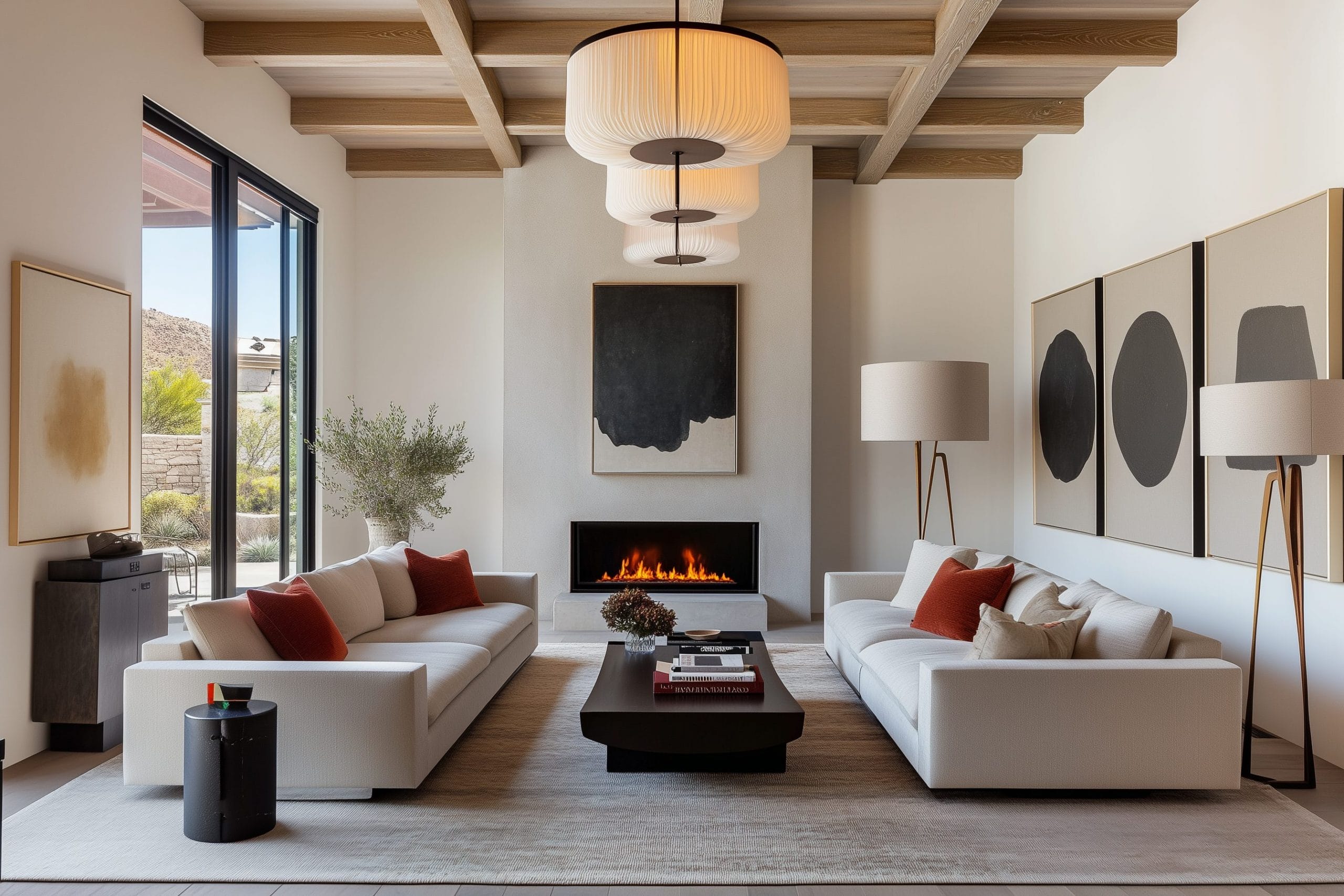
Each room needs a hero—a design element that catches the eye and sets the tone. This could be a piece of artwork, a sculptural chair, a dramatic light fixture, or even a boldly patterned rug. Once your focal point is established, the rest of the décor should complement and not compete with it.
This approach simplifies styling and avoids visual chaos, making it one of the most practical simple home design tips for creating harmony.
8. Invest in Lighting Layers
Lighting is not just about visibility—it’s about atmosphere. Don’t rely solely on overhead lights. Instead, incorporate three types of lighting: ambient (overhead), task (reading or desk lights), and accent (mood or decorative lighting).
Layered lighting allows you to control the mood depending on the time of day or occasion. Dimmers, warm bulbs, and varied lamp styles can all enrich the ambiance of a room. Even fairy lights or LED strips tucked under shelves can add a magical touch.
9. Embrace Negative Space
Sometimes, the most impactful design move is what you don’t fill. Negative space—areas left intentionally bare—allows the eye to rest and gives weight to the elements you do showcase. Resist the urge to decorate every surface. Let your furniture breathe. A single piece of statement art on a blank wall can speak louder than a crowded gallery.
Balance is the goal. Use white space as a powerful design tool.
10. Incorporate Nature Indoors
Biophilic design—bringing nature into your home—has been proven to improve mood and reduce stress. Incorporate plants, natural materials, and organic shapes to soften your space. You don’t need a jungle to feel connected to nature. Even a few potted succulents, a hanging fern, or a driftwood centerpiece can work wonders.
If real plants aren’t an option, consider botanical prints, stone sculptures, or wooden accents. These earthy elements complement nearly any aesthetic.
11. Personalize with Intention
Your home should feel like yours, not a showroom. Layer in pieces that tell your story—souvenirs from travels, heirlooms, handmade crafts, or a gallery wall of your favorite quotes. Display books that inspire you, not just those that look good.
When designing, authenticity matters. These personal touches breathe life into a space and ensure it feels welcoming, lived-in, and joyful.
12. Functional Décor is a Game Changer
Opt for pieces that are both pretty and practical. Think ottomans with storage, trays that organize and display, or baskets that contain clutter stylishly. Wall hooks shaped like branches, stylish shelving ladders, or rolling carts can all multitask while adding flair.
When aesthetics meet utility, your home becomes more efficient and more enjoyable. This is one of the most underrated yet effective simple home design tips for modern living.
13. Go Vertical
In smaller homes or apartments, wall space is gold. Utilize vertical real estate for storage, décor, and design impact. Floating shelves, tall bookcases, or even wall-mounted desks free up floor space and add visual height.
Don’t forget vertical elements like curtains—mount them closer to the ceiling than the window to make your space feel taller and grander. This elongating effect can add architectural elegance without any construction.
14. Upgrade the Details
Small changes often make the biggest difference. Swap out outdated light switches, cabinet handles, doorknobs, and faucets for modern alternatives. These elements may seem minor, but collectively they elevate the entire aesthetic of your space.
Likewise, replacing tired lampshades, curtain rods, or even outlet covers can breathe new life into a room. These micro-upgrades are budget-friendly and yield high design returns.
15. Define Entryways with Style
First impressions matter. Your entryway sets the tone for the rest of your home. Even if you don’t have a formal foyer, create a mini landing zone with a bench, mirror, coat rack, and a stylish tray for keys and mail. A narrow console table with a bowl for loose change or a wall-mounted shelf for essentials can make even tight corners useful and charming.
Anchor the space with a durable yet chic rug and a light fixture that welcomes guests with warmth.
16. Rotate and Refresh Seasonally
Staying inspired by your surroundings means changing things up from time to time. Rotate your pillow covers, throws, and even artwork with the seasons. In the winter, lean into cozy textures and warm tones. In summer, opt for light linens and breezy hues.
This seasonal refresh keeps your home dynamic and prevents design fatigue—without requiring a major overhaul.
17. Layer Rugs for Depth
Who says you need just one rug per room? Layering rugs can add depth, color, and a relaxed bohemian charm to your space. Place a smaller patterned rug over a larger jute or sisal one. Use a runner to define a hallway or layer a plush rug near your bed for a soft morning landing.
This unexpected technique is one of those simple home design tips that instantly makes a room feel thoughtful and styled.
18. Keep Flow in Mind
Circulation is crucial. Ensure there’s enough space to move between furniture and that your rooms connect smoothly. Avoid blocking natural pathways. In open-plan homes, use furniture to create soft boundaries without walls.
A consistent color palette or recurring materials—like black hardware, wood accents, or gold finishes—can unify disparate rooms and enhance visual flow.
19. Honor the Ceiling
Often overlooked, ceilings hold immense design potential. Consider painting them in a subtle contrast color, adding crown molding, or even wallpapering them for a delightful surprise. In rooms with low ceilings, vertical stripes or elongated light fixtures can create the illusion of height.
Even a fresh coat of white paint can brighten and refresh this “fifth wall.”
20. Trust the Power of Simplicity
Minimalism isn’t about deprivation—it’s about clarity. Choose quality over quantity. Let a few standout items shine rather than overcrowding a room. Clear countertops, uncluttered shelves, and open floor space create mental calm and physical ease.
Simple design is timeless. It makes cleaning easier, living more fluid, and aesthetics more enduring.
Designing a beautiful home doesn’t require a degree in architecture or an unlimited budget. With these simple home design tips, any space can be transformed into a haven of warmth, personality, and effortless style. All it takes is a touch of intentionality, a dash of creativity, and a sprinkle of joy.