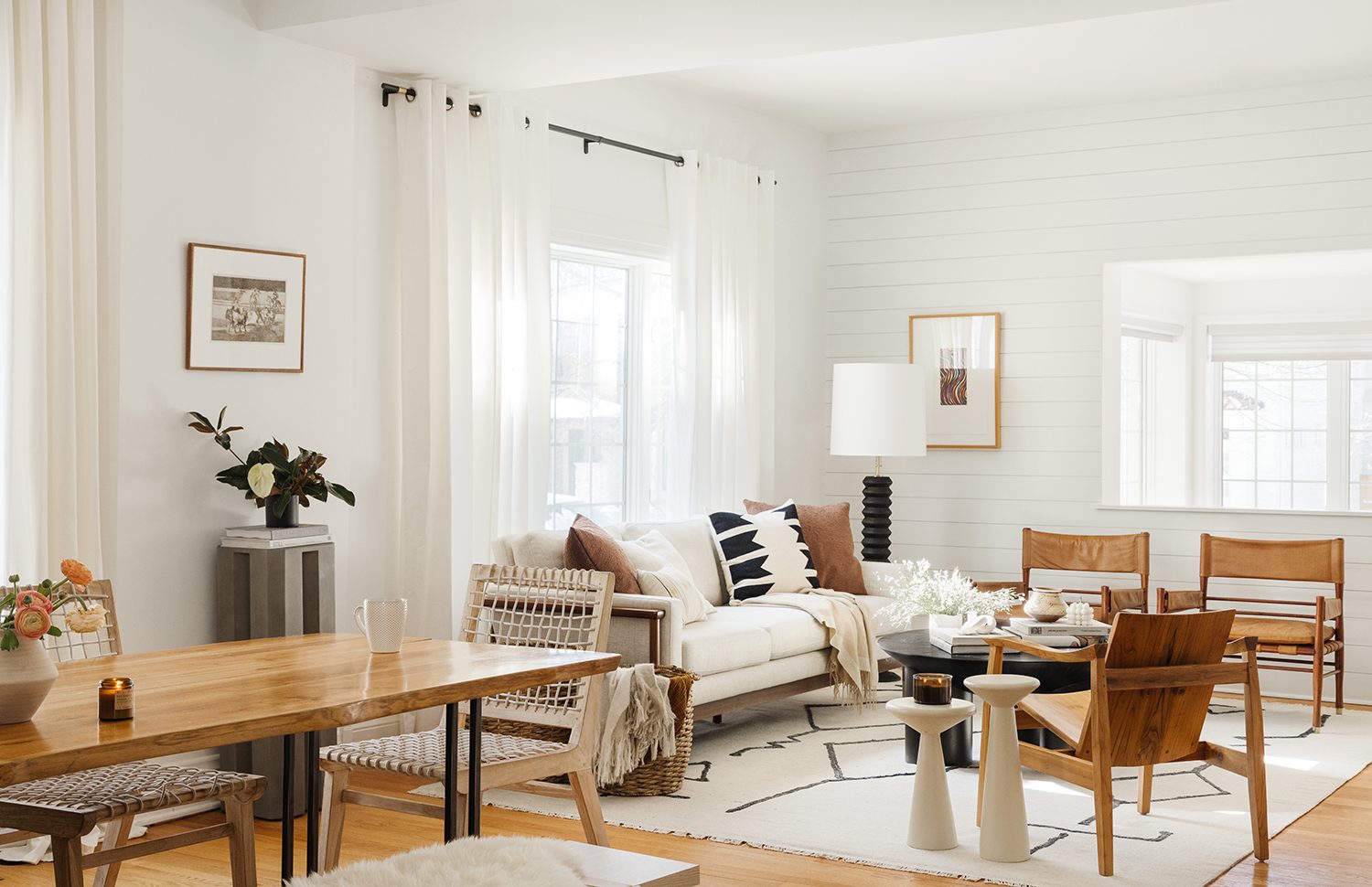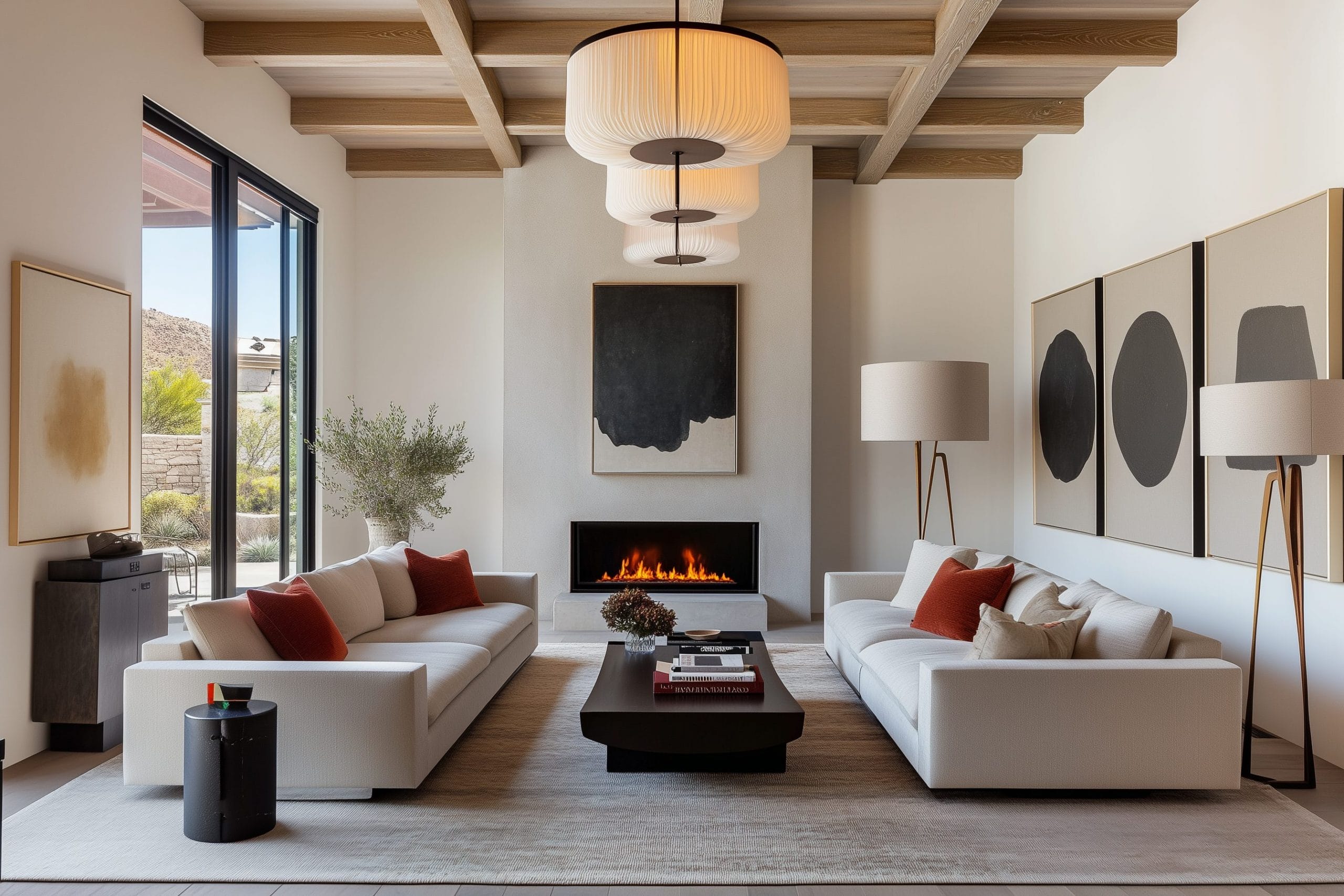


Minimalist Home Design Made Easy In a world brimming with overstimulation and visual chaos, the calm embrace of a minimalist space offers more than just a trend—it presents a philosophy. Minimalist home design is the aesthetic antidote to clutter, complexity, and consumerism. Yet beneath the pared-down palette and streamlined silhouettes lies a powerful strategy for living better—with intention, clarity, and grace.
Whether you’re a maximalist seeking a fresh perspective or a design purist ready to edit your space down to its most essential elements, the journey to minimalist home design is transformative. Contrary to popular belief, it’s neither cold nor rigid. Instead, it’s warm, welcoming, and deeply personal.
So, let’s explore the principles, practices, and small secrets that make minimalism feel easy—and genuinely irresistible.
What Is Minimalist Home Design, Really?
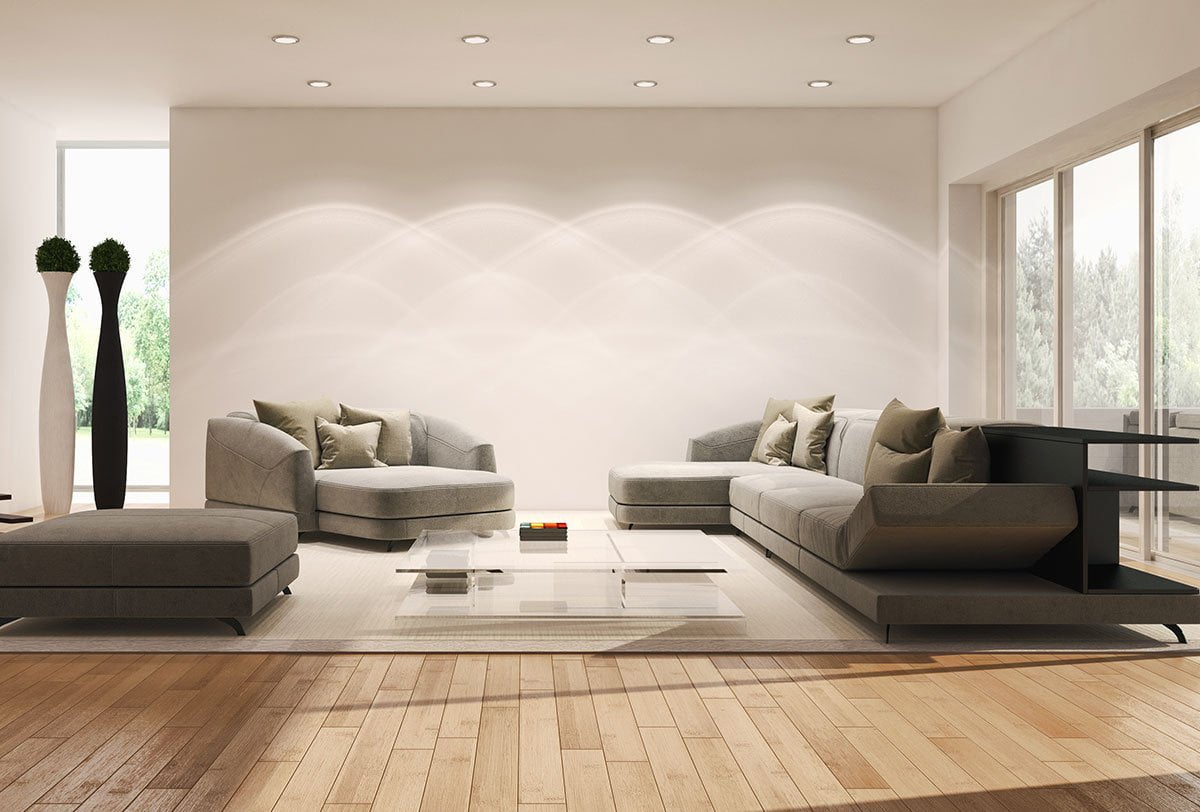
At its core, minimalist home design is about doing more with less. This doesn’t mean empty white rooms devoid of personality. Rather, it’s about celebrating form, function, and breathing room.
Instead of accumulation, focus on curation. Every piece should have a reason, a rhythm, and a role in your home.
The Core Principles of Minimalism
To master minimalist home design, start by understanding its guiding principles.
1. Function First
Design with intention. Each item should serve a functional purpose or spark joy—ideally, both. Choose furnishings that marry beauty with practicality, like modular sofas or smart storage ottomans.
2. Form Follows Simplicity
Minimalism favors sleek lines, clean edges, and open space. While ornamentation is limited, thoughtful craftsmanship takes center stage. In essence, quality replaces quantity.
3. Neutral, Natural, and Nurturing
Typically, minimalist home design leans into soft, neutral palettes—whites, beiges, greys, and muted earth tones. Layer these hues with natural materials such as linen, leather, wood, and brushed metal to create depth and texture.
4. Negative Space Is a Positive
Don’t fear empty space. In fact, it’s a crucial element in minimalism. Empty areas invite calm and allow your furnishings to breathe.
Minimalism in Every Room
Each space has unique needs, but the minimalist approach applies universally. With the right touch, every room becomes harmonious.
The Living Room: A Calming Core
The living room sets the tone for the home. In minimalist home design, it becomes an oasis of calm.
- Opt for low-profile furniture with clean silhouettes.
- Select one or two standout accessories instead of cluttered displays.
- Incorporate texture—consider a chunky knit throw, woven rug, or raw wood coffee table.
Lighting matters, too. Layer ambient, task, and accent lighting to create a balanced and cozy atmosphere.
The Kitchen: Sleek and Seamless
A minimalist kitchen should be as functional as it is beautiful.
- Use handleless cabinetry or recessed pulls for a seamless look.
- Hide appliances behind panels or keep them built-in.
- Maintain clear countertops and limit open shelving to just a few essentials.
To soften the utilitarian edge, integrate warm materials like wood or stone and bring in subtle lighting under cabinets or along kickboards.
The Bedroom: Peaceful and Intentional
The bedroom is a sanctuary, and minimalist home design enhances its tranquility.
- Choose a subdued color palette—think misty greys, soft beiges, or crisp whites.
- Stick to the essentials: a bed, two nightstands, and a dresser. Nothing more.
- Keep decor minimal—a single artwork or a plant adds life without chaos.
Not only does this aesthetic encourage rest, but it also makes your bedroom feel more spacious and serene.
The Bathroom: Refreshingly Refined
Cleanliness isn’t just physical—it’s visual. The minimalist bathroom should feel crisp and uncluttered.
- Install floating vanities and frameless mirrors to create openness.
- Use large-format tiles for a continuous, seamless feel.
- Keep everything organized with hidden storage and drawer organizers.
Add warmth through soft lighting, wood accents, or natural stone surfaces.
The Home Office: Designed for Focus
With the rise of remote work, a minimalist home office is more valuable than ever.
- Invest in a sleek desk and ergonomic chair.
- Limit distractions by keeping the desktop bare except for essentials.
- Use vertical space wisely with closed shelving or minimal wall decor.
Additionally, a single plant or a focused piece of art can uplift the space without disrupting your workflow.
Materials That Define Minimalism
Minimalism is nothing without material integrity. These foundational elements define the style’s authenticity.
- Wood: Opt for oak, ash, or walnut for their timeless texture.
- Stone: Choose honed marble or matte concrete for visual weight and durability.
- Glass: Perfect for opening up small spaces and reflecting natural light.
- Fabric: Stick to natural fibers like linen and cotton.
- Metals: Use brushed brass, matte black, or chrome sparingly for contrast.
The key is to mix these materials in balanced ways that highlight their inherent qualities.
Color Palettes: Subtle Yet Impactful
Color in minimalist home design should soothe, not shout.
- White offers clarity and openness.
- Taupe and sand tones add warmth.
- Sage green or dusty rose can introduce soft, nature-inspired hues.
- Charcoal accents ground the space without overwhelming it.
Always layer tones and textures within a narrow palette to avoid visual monotony.
Storage: Quietly Clever
Minimalism thrives on hidden intelligence. Thoughtful storage keeps spaces feeling effortless.
- Built-in wardrobes disappear into walls.
- Under-bed storage, multi-use furniture, and concealed compartments maintain a clean look.
- Floating shelves should hold only a few curated items.
The goal is to make storage feel like part of the architecture—not an afterthought.
Accessories: Deliberate and Distinct
Decorating in a minimalist style doesn’t mean ignoring personality. It simply requires intention.
- Use large-format art to create a focal point.
- Let lighting be your statement piece—a pendant, a floor lamp, or even an artistic sconce.
- Include handmade pottery, a textured vase, or sculptural objects in small doses.
Less is more, especially when every piece speaks with clarity and purpose.
Sustainability Through Simplicity
By nature, minimalist home design encourages sustainability. Fewer possessions mean reduced consumption and less waste.
- Choose timeless furniture that doesn’t go out of style.
- Repurpose or upcycle pieces rather than replacing them.
- Prioritize natural materials and ethical craftsmanship.
In the long run, minimalism isn’t just good for your home—it’s good for the planet.
Misconceptions About Minimalism
There are several myths worth addressing:
- It’s boring: Actually, minimalism allows the beauty of materials and craftsmanship to shine.
- It’s cold: When done right, it’s warm and layered.
- It’s expensive: You don’t need luxury—just thoughtful curation.
- It means owning nothing: No, it means owning what matters.
In truth, minimalism is as much about abundance—of space, light, and intention—as it is about reduction.
Final Thoughts
Minimalist home design brings more than visual order. It cultivates mental clarity, emotional balance, and a more intentional way of living. By reducing noise—both physical and visual—it makes room for what truly matters.
When executed with care, minimalism is not a design sacrifice. It’s a design upgrade. With fewer distractions, each element—each breath of space—feels meaningful.
Now is the time to embrace the elegant simplicity of minimalism. Let it transform your home into a sanctuary of calm, character, and conscious living.